Iran Visa Guide 2026: Requirements, eVisa, Visa on Arrival & Business Travel
Last reviewed: August 2026 Getting a visa for Iran is relatively straightforward for many nationalities, but there is no single rule that applies to…
Read article →
Travel covers domestic tourism, pilgrimage, hospitality, transport, leisure, business travel, and regional visitor flows inside Iran. It matters because travel demand reveals household confidence, regional purchasing power, infrastructure quality, and the economic strength of cities that attract people rather than only produce goods.
Iran’s travel market is strategically useful because it combines consumer demand, geography, culture, transport access, hospitality capacity, and regional service activity. The strongest opportunities are not only luxury tourism; they include domestic family travel, pilgrimage, medical travel, budget accommodation, local experiences, transport services, hospitality technology, food service, and destination infrastructure. Travel is sensitive to inflation and political uncertainty, but it remains resilient where religious, family, medical, business, or seasonal demand is strong. For investors, this market helps identify cities and provinces where service demand is real, recurring, and connected to transport, retail, real estate, and local employment.
The market includes hotels, guesthouses, travel agencies, tour operators, transport companies, airlines, rail and bus operators, pilgrimage services, medical tourism providers, restaurants, local attractions, booking platforms, and provincial tourism bodies. Demand differs by segment: pilgrimage flows support cities such as Mashhad and Qom; northern provinces attract seasonal leisure travel; Tehran concentrates business travel; Shiraz, Isfahan, Yazd, Kerman, and Tabriz support cultural and heritage demand; border and medical hubs serve regional visitors. Travel performance depends on affordability, transport access, safety perception, accommodation quality, digital booking, local services, and seasonal patterns.
Travel is relevant for hospitality investment, destination screening, domestic consumer-demand analysis, tourism real estate, medical travel, transport services, food and retail demand, and local service businesses. It helps investors assess which cities attract non-resident spending and where infrastructure gaps create opportunities in accommodation, booking, mobility, local experiences, healthcare-linked travel, or destination management. This market also helps separate durable visitor flows from speculative tourism narratives.
Investment ideas connected to this market through buyer demand, entry routes, supply gaps, and execution constraints.
Research, briefs, and analysis assigned to this market will appear here automatically.

Last reviewed: August 2026 Getting a visa for Iran is relatively straightforward for many nationalities, but there is no single rule that applies to…
Read article →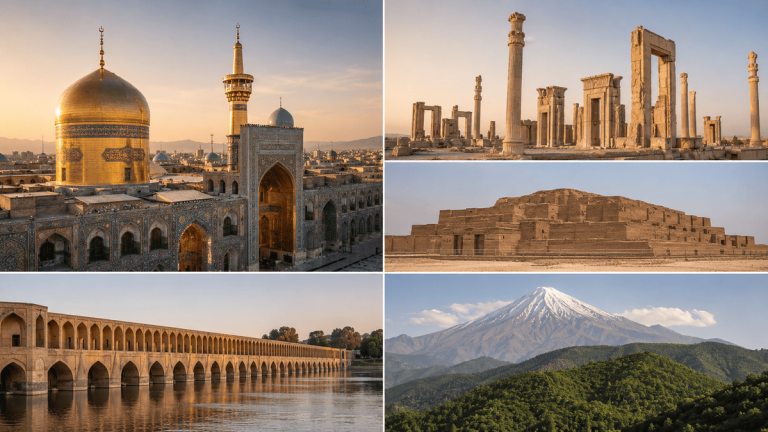
Iran’s tourism industry is usually discussed through the language of attractions: ancient sites, religious cities, mountain landscapes, desert routes, islands, food, poetry, architecture, and…
Read article →