Market Thesis
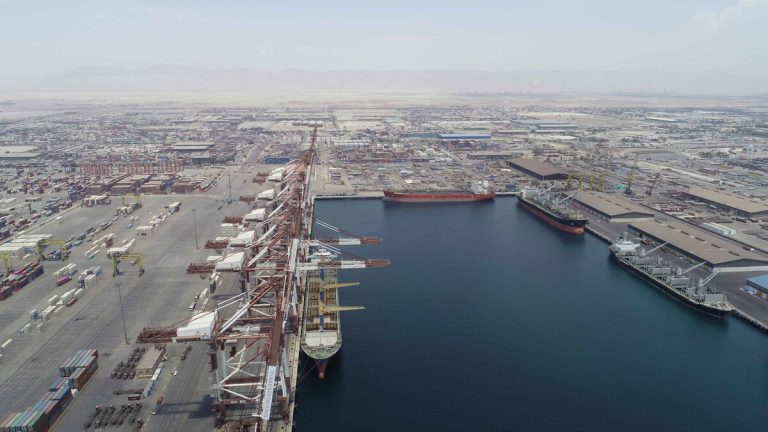
Iran’s supply-chain market is shaped by sanctions, currency volatility, fragmented distributors, import dependence, domestic substitution, logistics gaps, and trust-based business relationships. The opportunity is strongest where companies need reliability rather than convenience: spare parts, industrial inputs, packaging, cold chain, inventory visibility, supplier verification, route planning, procurement, warehousing, and after-sales support. Supply-chain intelligence helps identify which sectors are constrained by access, not demand. For investors, the market shows where operational failure creates investable demand for verified suppliers, logistics infrastructure, software, financing, quality control, and partner networks.
Market Structure
The market includes manufacturers, importers, distributors, wholesalers, warehouses, ports, customs brokers, trucking fleets, rail operators, cold-chain providers, packaging companies, procurement teams, enterprise software vendors, and informal supplier networks. Tehran acts as a central coordination and distribution hub, while industrial provinces create input demand and gateway provinces handle trade flows. Supply chains differ by sector: food requires cold chain and freshness, manufacturing needs components and spare parts, mining needs heavy equipment and transport, healthcare needs compliance and temperature control, and construction depends on bulk materials and local availability.
Investor Relevance
Supply Chains are relevant for partner search, supplier screening, route selection, inventory planning, warehouse strategy, distributor evaluation, procurement systems, and operational due diligence. This market helps investors identify where a business model can scale and where it will be blocked by poor logistics, unreliable suppliers, weak documentation, or cash-flow pressure. It also creates opportunities in B2B software, verified directories, logistics services, cold chain, industrial maintenance, trade finance, and quality-control infrastructure.
Idea Layer
Ideas linked to Supply Chains
Investment ideas connected to this market through buyer demand, entry routes, supply gaps, and execution constraints.
View all
Import Substitution
Alborz
Gilan
Isfahan
Qazvin
Razavi Khorasan
View Brief
Import Substitution
Isfahan
Kerman
Markazi
South Khorasan
Yazd
View Brief
Logistics Node
Alborz
East Azerbaijan
Fars
Gilan
Hormozgan
View Brief
Infrastructure Enabled Business
Bushehr
Hormozgan
Isfahan
Kerman
Semnan
View Brief
B2b Productivity
Alborz
East Azerbaijan
Hormozgan
Isfahan
Kerman
View Brief
B2b Productivity
Alborz
East Azerbaijan
Fars
Gilan
Isfahan
View Brief
Latest Articles
Research, briefs, and analysis assigned to this market will appear here automatically.