The War Has Reached Iran’s Supply Lines – July 2026
Attacks around Bandar Abbas are turning a maritime confrontation into a national logistics problem. The damage will be measured in delayed cargo, higher working-capital…
Read article →
Free Zones covers Iran’s special economic and trade areas designed to support investment, logistics, manufacturing, re-export, customs facilitation, and regional market access. They matter because they can reduce some entry friction, but their real value depends on location, infrastructure, rules, operators, and connection to actual trade flows.
Iran’s free zones should not be read as generic investment incentives; they should be evaluated as specific operating platforms. A free zone is valuable only if it connects to a real port, border, airport, industrial base, labor pool, customs pathway, or regional demand market. The opportunity is strongest where zones support practical use cases: import staging, re-export, light manufacturing, warehousing, packaging, assembly, logistics, tourism, and regional trade. For investors, the key question is not whether a zone offers incentives, but whether it lowers execution risk compared with operating outside the zone.
The market includes free-zone authorities, special economic zones, port-linked zones, border-linked zones, industrial tenants, logistics operators, warehouses, customs interfaces, service providers, tourism businesses, and local regulators. Zones differ sharply: some are connected to major sea trade, some to border commerce, some to aviation or tourism, and some to industrial clustering. Practical performance depends on infrastructure quality, customs treatment, land and lease terms, utility access, local management, tenant mix, and distance from suppliers or customers.
Free Zones are relevant for market entry, import-export routing, warehousing, light assembly, regional distribution, partner search, and testing Iran exposure before deeper local operations. They can also help screen logistics corridors, port-linked opportunities, tourism assets, and industrial sites. Investors should use this market to compare zones by function rather than by promotional language: trade gateway, industrial base, tourism platform, border node, or logistics hub.
Investment ideas connected to this market through buyer demand, entry routes, supply gaps, and execution constraints.
Research, briefs, and analysis assigned to this market will appear here automatically.
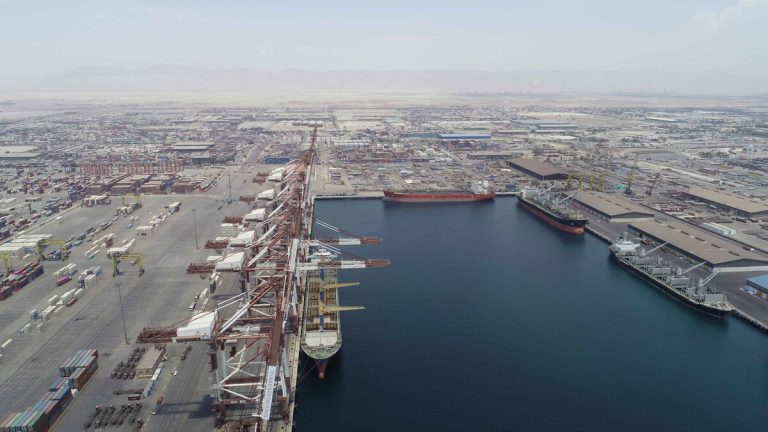
Attacks around Bandar Abbas are turning a maritime confrontation into a national logistics problem. The damage will be measured in delayed cargo, higher working-capital…
Read article →
An Iran opening would not begin with a gold rush. It would begin with a test. The first question would not be how much…
Read article →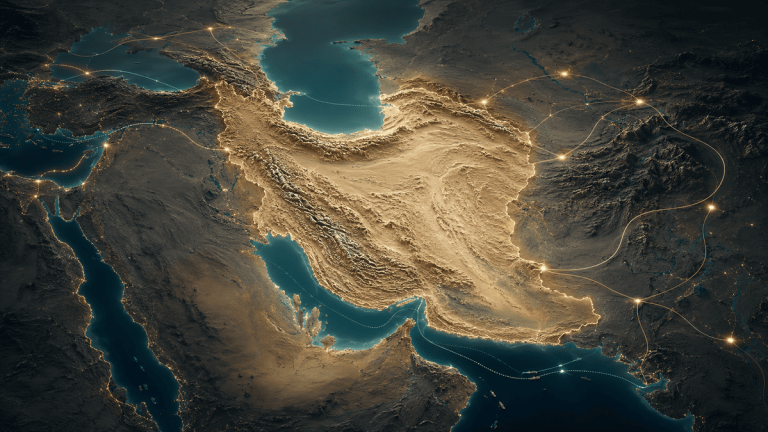
Iran’s importance begins with geography. Before oil, before sanctions, before ideology, before modern borders, Iran mattered because of where it stood. It occupied the…
Read article →
Iran’s free zones are no longer a small group of isolated incentive areas. They are becoming a fragmented corridor map: some are functioning trade…
Read article →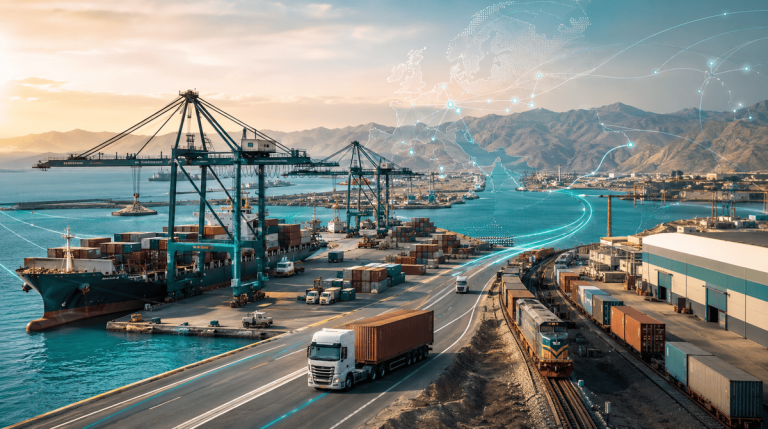
For many foreign investors, the first question about Iran should not be “Where should we invest?” It should be: “How should we enter?” Direct…
Read article →