İran’ın Ulaşım Koridorları: Önemli Güzergâhlar, Hâlâ Eksik Bağlantılar ve Arkasındaki Ticaret
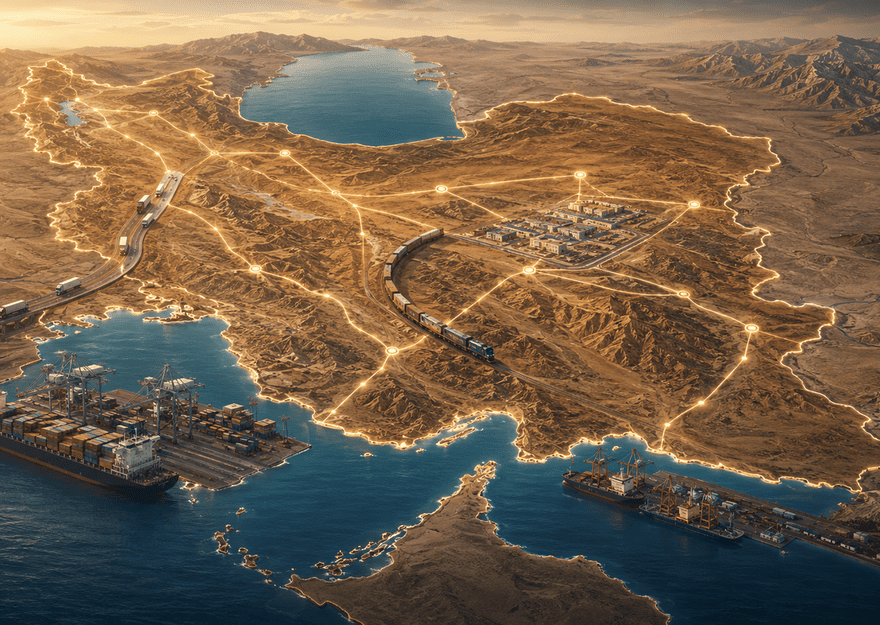
Ulaşım koridorları çoğu zaman limanları, sınırları ve başkentleri birbirine bağlayan renkli çizgiler olarak sunulur. Bu haritalarda İran neredeyse kusursuz bir konuma sahip görünür: güneyde Basra Körfezi ve Hint Okyanusu, kuzeyde Hazar Denizi, batıda Türkiye ve Irak, doğuda ise Orta Asya, Afganistan ve Pakistan.
Coğrafya İran’a güzergâh seçenekleri sunar. Ancak tek başına güvenilir lojistik yaratmaz.
Ticari açıdan işlevsel bir koridor, bir karayolu veya demiryolundan fazlasını gerektirir. Düzenli seferler, işler durumdaki sınır terminalleri, öngörülebilir gümrük prosedürleri, her iki yönde yeterli yük, finansman, sigorta, uyumlu belgeler ve yolculuğun tamamını koordine edebilecek işletmeciler gerekir. Üç belirsiz sınır geçişi içeren kısa bir güzergâh, güvenilir tarifeli seferi olan daha uzun bir deniz taşımacılığı hizmetinden daha az cazip olabilir.
Bu nedenle İran’ın koridor ekonomisi, farklı olgunluk aşamalarındaki bir ağ olarak değerlendirilmelidir. Bazı güzergâhlar hâlihazırda önemli miktarda yurt içi ve uluslararası yük taşır. Bazıları işler durumdadır, ancak yalnızca birden fazla aktarma sayesinde çalışır. Birkaç güzergâh ise tamamlanmamış demiryolu bağlantılarına bağlıdır. Son grup, esas olarak diplomatik anlaşmalarda ve uzun vadeli altyapı planlarında yer alır.
Koridor haritasına tek bakış
| Koridor sistemi | Başlıca İran düğümleri | Mevcut ticari konum | Başlıca kısıt |
|---|---|---|---|
| Uluslararası Kuzey-Güney Ulaştırma Koridoru | Bandar Abbas, Tehran, Qazvin, Rasht, Astara, Anzali, Amirabad, Sarakhs | İran’ın en önemli uluslararası koridor çerçevesi | Eksik bağlantılar, aktarmalar ve tutarsız hizmet kalitesi |
| Çabahar ve doğu okyanus güzergâhı | Çabahar, İranşehr, Zahidan, Meşhed, Sarakhs | Stratejik açıdan önemli, ancak henüz tamamlanmış bir demiryolu koridoru değil | Tamamlanmamış Çabahar–Zahidan demiryolu ve hinterlandla sınırlı entegrasyon |
| Orta Asya–İran koridoru | Sarakhs, İnce Burun, Meşhed, Bender Abbas | Denize kıyısı olmayan Orta Asya için işler ve ticari açıdan önemli | Demiryolu hat açıklığı değişimi, sınır işlemleri ve sefer sıklığı |
| Türkiye yönündeki doğu-batı koridoru | Razi, Bazargan, Tebriz, Tahran, Aprin | İşleyen ancak kısıtlı demiryolu bağlantısına sahip, yerleşik karayolu güzergâhı | Sınır gecikmeleri, Van Gölü demiryolu feribotu ve parçalı tren işletmeciliği |
| İran–Irak koridorları | Şelemçe, Mehran, Hosravi, Parviz Han, Başmak | Güçlü ikili karayolu ticareti; demiryolu entegrasyonu hâlâ sınırlı | Tamamlanmamış sınır ötesi demiryolu ve Irak’ın iç lojistik kısıtları |
Bunlar birbirinden tamamen ayrı sistemler değildir. Bender Abbas üzerinden gelen bir sevkiyat kuzeye, Rusya’ya; kuzeydoğuya, Türkmenistan’a; batıya, Türkiye’ye veya Tahran’a doğru iç bölgelere ilerleyip yeniden dağıtılabilir. İran’ın avantajı kısmen, yükü bu yönler arasında değiştirebilme kapasitesinde yatar.
Zayıf noktası ise bu aktarmaların çoğunun hâlâ operasyonel açıdan maliyetli olmasıdır.
Uluslararası Kuzey-Güney Ulaştırma Koridoru tek bir güzergâh değildir
Uluslararası Kuzey-Güney Ulaştırma Koridoru veya INSTC, genellikle Hindistan ve Basra Körfezi’ni İran üzerinden Rusya ve kuzey Avrupa’ya bağlayan çok modlu bir ağ olarak tanımlanır. İlk anlaşma 2000 yılında Hindistan, İran ve Rusya tarafından imzalanmıştır. Zaman içinde koridor, tek ve kesintisiz bir hat yerine birkaç güzergâh grubundan oluşan bir yapıya dönüşmüştür. citeturn232916search3turn232916search34
INSTC’nin İran açısından üç ana kolu vardır.
1. Reşt ve Astara üzerinden geçen batı kolu
Batı güzergâhı İran’ın güney limanlarından başlayarak ülkenin merkezinden geçer, Kazvin ve Reşt’e ulaşır; ardından Astara, Azerbaycan ve Rusya yönünde devam eder.
Bu güzergâh, Basra Körfezi ile Rusya arasında büyük ölçüde kesintisiz bir demiryolu bağlantısı sağlayabileceği için koridor sunumlarında en sık gösterilen versiyondur. Ayrıca ekonomik açıdan önemli İran bölgelerini birbirine bağlar: Hürmüzgan limanları, merkezi sanayi kuşağı, Tahran–Kazvin bölgesi ve Gilan’ın Hazar ekonomisi.
En büyük sorun, Reşt ile Astara arasındaki demiryolunun eksik olmasıdır.
İran ve Rusya, yaklaşık 162 kilometrelik hat için 2023 yılında hükümetler arası bir anlaşma imzaladı. Tasarım çalışmaları, arazi hazırlığı ve proje görüşmeleri 2025 ve 2026 boyunca ilerledi, ancak bağlantı henüz tamamlanmış ve işletilen bir demiryoluna dönüşmedi. Yükler güzergâhı hâlâ kullanabilir, ancak eksik bölüm kesintisiz bir demiryolu yolculuğu yerine karayolu taşımacılığı veya ek elleçleme gerektirir.
Bu durum batı INSTC’sini kullanılamaz hâle getirmez. Ekonomisini değiştirir.
Her aktarma terminal ücretlerini, elleçleme riskini ve tarife belirsizliğini artırır. Dökme yükler bu duruma zamana duyarlı konteyner yüklerinden daha iyi dayanabilir. Büyük yük sahipleri, küçük ihracatçıların elde edemeyeceği özel düzenlemeler için pazarlık yapabilir. Eksik bağlantı tamamlanıp düzenli tren seferleriyle desteklenene kadar koridor, yalnızca isim olarak değil, uygulamada da çok modlu kalacaktır.
Buna rağmen güzergâhın giderek önem kazanan bir talep tabanı vardır. İran ile Avrasya Ekonomik Birliği arasındaki kapsamlı serbest ticaret anlaşması Mayıs 2025’te yürürlüğe girdi ve ürün kategorilerinin çoğunda tercihli muamele sağladı. Bu durum ödeme, sigorta veya lojistik sorunlarını çözmez, ancak kuzeye yönelik daha güvenilir taşımacılığın ticari gerekçesini güçlendirir.
2. Hazar kolu
Hazar güzergâhı, yükleri Enzeli veya Emirabad gibi İran limanlarından geçirip Hazar Denizi üzerinden Rus limanlarına taşıyarak eksik Reşt–Astara demiryolunu aşar.
Başlıca avantajı, kesintisiz bir batı demiryolu bağlantısını beklemeden işletilebilmesidir. İran’ın güney ve merkezi bölgelerinden Hazar kıyılarına uzanan demiryolu ve karayolu bağlantıları zaten mevcuttur. Yükler gemilere aktarılıp deniz yoluyla kuzeye devam edebilir.
Zayıf noktası ise bizzat bu aktarmadır.
Hazar, okyanus taşımacılığının basit bir iç deniz uzantısı değildir. Gemi bulunabilirliği, liman derinliği, hava koşulları, gümrük koordinasyonu ve sefer sıklığı güzergâhı etkiler. Bir konteyner İran üzerinden verimli biçimde ilerledikten sonra uygun bir gemiyi bekleyebilir. Buna karşılık, ayrılmış kapasiteye sahip koordineli bir hizmet, belirli ürün akışları için güzergâhı rekabetçi hâle getirebilir.
Bu nedenle Hazar kolu, her sevkiyatın kendi demiryolu işletmecileri, terminal elleçleme şirketleri, gümrük müşavirleri ve deniz taşımacılığı kapasitesini ayrı ayrı bir araya getirmesi gerektiğinde değil, tarifeli bir lojistik ürünü olarak işletildiğinde en faydalıdır.
3. Sarakhs ve İnce Burun üzerinden geçen doğu kolu
Doğu INSTC güzergâhı, Türkmenistan üzerinden Sarakhs ve İnce Burun gibi geçiş noktalarını kullanarak İran ile Orta Asya arasında uzanır. Buradan yükler Kazakistan ve Rusya’ya doğru devam edebilir.
Bu kol, Reşt–Astara kadar ilgi görmez, ancak önemli bir avantajı vardır: demiryolu bağlantısı hâlihazırda mevcuttur.
Sarakhs, İran’ın standart hat açıklığına sahip demiryolunu eski Sovyet ağının büyük bölümünde kullanılan geniş hatlı demiryolu sistemiyle bağlar. Bu durum sınırda hat açıklığı değişimi gerektirir. Vagonların veya yükün aktarılması, bojilerin değiştirilmesi ya da uygun çift hat açıklıklı tesislerin kullanılması gerekir. Süreç teknik açıdan yönetilebilir, ancak yolculuğa zaman ve terminal bağımlılığı ekler.
İnce Burun, Türkmenistan ve Kazakistan üzerinden ikinci bir bağlantı sağlar. Birden fazla kuzey geçişinin bulunması değerlidir; çünkü belirli bir sınırda yoğunluk veya siyasi zorluk oluştuğunda işletmecilere alternatifler sunar.
Doğu kolu, kamuoyundaki görünürlüğünün düşündürdüğünden daha önemli bir ticari rol oynayabilir. Orta Asya ülkeleri güney limanlarına güvenilir erişime ihtiyaç duyarken İran, tamamen Kafkasya’ya bağlı olmayan güzergâhlardan yararlanır. Ancak pazarı belirleyecek olan yalnızca rayların mevcut olması değil, sefer sıklığı, sınır geçiş süresi ve yük dengesidir.
Ara sıra deneme trenleri çalıştıran bir demiryolu henüz olgun bir koridor değildir. Yük sahipleri rezerve edilebilir kapasiteye, yayımlanmış tarifelere ve aynı hizmetin altı ay sonra da sunulacağına dair güvene ihtiyaç duyar.
Bender Abbas hâlâ başlıca güney geçiş noktasıdır
Yeni koridor tartışmaları bazen Bender Abbas’ı Çabahar’ın yerini almasını bekleyen eski bir güzergâh gibi gösterir. Bu, yanlış bir karşılaştırmadır.
Bender Abbas—özellikle Şehit Recai Limanı kompleksi—İran’ın başlıca deniz ve konteyner geçiş noktası olmayı sürdürüyor. Yerleşik karayolu ve demiryolu altyapısıyla ülkenin sanayi ve nüfus merkezlerine bağlıdır. Liman hâlihazırda ithalat, ihracat, maden yükleri, petrokimya, yurt içi dağıtım ve uluslararası transit taşımacılığa hizmet verir. Bu nedenle Hormuz’un güncel altyapı haritası, Şehit Recai’yi İran’ın deniz ticareti, demiryolu ve iç lojistik sisteminin merkezine yerleştirir.
Çoğu yük sahibi için mevcut trafik yoğunluğu önemlidir. Daha büyük bir liman genellikle daha geniş bir deniz taşımacılığı hizmeti, nakliye organizatörü, gümrük müşaviri, depo, kamyon işletmecisi ve ekipman seçeneği sunar. Bu çevresel hizmetler, yeni bir güzergâhın coğrafi cazibesini dengeleyebilir.
Bender Abbas, yüklerin merkezi İran üzerinden Tahran’a, Hazar bölgesine veya Orta Asya’ya ilerleyebilmesi sayesinde kuzey-güney sistemi açısından da iyi konumlanmıştır. Tahran yakınındaki Aprin, Bender Abbas demiryolu koridoruna bağlı bir iç lojistik ve gümrük düğümü olarak geliştirilmiştir. Potansiyel rolü, gümrük, konsolidasyon ve konteyner elleçleme süreçlerinin bir bölümünü kıyıdan uzaklaştırıp İran’ın başlıca tüketim ve sanayi merkezine yaklaştırmaktır.
Limanın temel stratejik kısıtı da aynı ölçüde açıktır: Bender Abbas’a giren veya buradan çıkan gemiler Hürmüz Boğazı’ndan geçmek zorundadır. Normal ticarette bu, operasyonel bir kusur değildir. Ancak askerî riskin yükseldiği dönemlerde, su yolu fiziksel olarak erişilemez hâle gelmeden önce sigorta, gemi bulunabilirliği ve tarife güvenilirliği bozulabilir.
Çabahar’ın önem kazandığı nokta burasıdır: Çabahar, Bender Abbas’ın hemen yerini alacak bir liman değil, ikinci bir denizcilik sistemi olarak anlam taşır.
Çabahar: İç koridorunu hâlâ bekleyen stratejik liman
Çabahar’ın cazibesi, Hürmüz Boğazı’nın dışında, Umman Körfezi üzerindeki konumuyla başlar. Hint Okyanusu’na doğrudan erişim ve doğu İran, Afganistan ve Orta Asya’ya uzanma potansiyeli sunar.
Hindistan ve İran, Şehit Beheşti terminalinin işletilmesi ve ekipmanına ilişkin uzun vadeli bir sözleşmeyi Mayıs 2024’te imzaladı. Hindistan’ın resmî açıklamalarında liman, Afganistan ve denize kıyısı olmayan Orta Asya için önemli bir bağlantı projesi olarak tanımlanmaya devam etti.
Ancak bir limanın değeri, yük rıhtımdan ayrıldıktan sonra ne olduğuna bağlıdır.
Çabahar iç bölgelere karayoluyla bağlıdır, ancak Zahedan’a yapılması planlanan demiryolu 2026 boyunca tamamlanmamış durumdaydı. Hat, limanı İran’ın ulusal demiryolu ağına bağlamak ve zamanla Meşhed, Sarakhs, Afganistan ve Orta Asya’ya yönelik güzergâhları güçlendirmek üzere tasarlanmıştır. UNESCAP’in 2025 tarihli materyallerinde de Çabahar–Zahedan demiryolunun tamamlanması, kurulmuş bir bağlantıdan ziyade devam eden bir gereklilik olarak ele alınmıştır.
Çabahar hakkındaki temel gerçek şudur: denizcilik düğümü, arkasındaki koridordan daha fazla ilerleme kaydetmiştir.
Until the railway is complete and regular services are established, much of the port’s inland cargo must depend on trucking. Road freight is flexible and may work for bilateral or higher-value traffic. It is less suited to transforming Chabahar into a large-scale mineral, grain or container gateway for distant markets without strong consolidation and return cargo.
Çabahar, birden fazla olası coğrafyaya da hizmet eder:
- Kuzeye, Zahidan, Meşhed ve Orta Asya’ya
- Kuzeydoğuya, Afganistan’a
- Batıya, Kirman ve İran’ın merkezi ağına
- Doğuya, demiryolu hat açıklığı ve siyasi kısıtların önemini koruduğu Pakistan’a
Bu güzergâhlar tek bir proje olarak ele alınmamalıdır. Her biri farklı sınır düzenlemeleri, yük kaynakları ve altyapı gerektirir.
Yakın vadede en gerçekçi strateji, Çabahar’ın bölgenin en büyük limanlarına rakip hâle gelmesini beklemek değildir. Strateji, konumuna değer veren ürün ve pazarlara odaklı yük hatları kurmaktır: Afganistan ticareti, doğu İran madenleri, tarım ihracatı, insani yardım sevkiyatları, proje yükleri ve Orta Asya’nın Hint Okyanusu’na erişimi.
Orta Asya koridorları yalnızca stratejik değil, hâlihazırda ticaridir
İran’ın Orta Asya ile ilişkisi çoğu zaman diplomasi üzerinden çerçevelenir, ancak lojistik mantık açıktır. Kazakistan, Özbekistan, Türkmenistan, Tacikistan ve Kırgızistan ya denize kıyısı olmayan ülkelerdir ya da okyanus limanlarından birden fazla sınırla ayrılmıştır. İran, Basra Körfezi’ne ve zamanla Çabahar’a erişim sunar.
The two most important rail gateways are Sarakhs in Razavi Khorasan and Incheh Borun in Golestan. Hormuz already maps both as corridor infrastructure: Sarakhs as a rail-border and logistics hub, and Incheh Borun as a combined rail and road border crossing.
Bu geçiş noktalarının çevresindeki ekonomik fırsat, trenlerin yalnızca bu noktalardan geçirilmesiyle sınırlı değildir.
Demiryolu hat açıklığının değiştiği bir sınırda şu hizmetlere talep oluşur:
- Konteyner ve dökme yük aktarması
- Bogi değişim tesisleri
- Depolama ve geçici stoklama
- Muayene, tartım ve gümrük hizmetleri
- Vagon ve konteyner bakımı
- Yük konsolidasyonu
- Soğuk zincir altyapısı
- Dijital sevkiyat takibi
- Sigorta ve dokümantasyon desteği
İran, yükün çıkış veya nihai varış noktası olmadığında bile bu hizmetlerden değer yaratabilir.
Başlıca ticari zorluk tutarlılıktır. Transit süreleri bir sevkiyattan diğerine büyük ölçüde değiştiğinde bir koridoru pazarlamak zorlaşır. Sınır prosedürleri, vagon tahsisi ve gümrük belgeleri, ortalama tren hızından daha önemli olabilir.
For exporters of fruit, vegetables, dairy products or other temperature-sensitive goods, a one-day uncertainty at the border can be more costly than several hundred kilometres of additional distance. Investment in refrigeration and storage is therefore useful only when paired with predictable clearance and onward transport.
Türkiye’ye uzanan doğu-batı güzergâhı yerleşik ancak parçalıdır
İran’ın Türkiye’ye uzanan batı bağlantısı, en eski uluslararası ticaret güzergâhlarından biridir. Karayolu taşımacılığı ağırlıklı olarak Bazargan gibi geçiş noktalarını kullanırken demiryolu trafiği İran’daki Razi ile Türkiye’deki Kapıköy arasında geçer.
Karayolu koridoru Tahran ve Tebriz’i doğu Türkiye’ye, oradan da Avrupa pazarlarına bağlar. Büyük kamyon taşımacılığı sektörleriyle desteklenen bu güzergâh, hem ikili ticarete hem de daha uzun mesafeli transit taşımacılığa uygundur.
Demiryolu daha karmaşıktır.
İran–Türkiye demiryolu bağlantısı, Türkiye tarafında Van Gölü feribot sistemini kullanır. Yük trenleri bölünür, demiryolu feribotlarına yüklenir ve göl geçişinin ardından yeniden birleştirilir. Güzergâh Trans-Asya Demiryolu ağının bir parçasıdır, ancak feribot hâlâ ek bir elleçleme aşaması ve kapasite ile tarifeler açısından bir kısıttır. UNECE, 2024’te bu geçişi mevcut İran–Türkiye demiryolu güzergâhının bir parçası olarak tanımlamaya devam etmiştir.
Bu durum, Çin–İran–Türkiye veya İslamabad–Tahran–İstanbul trenlerine ilişkin duyuruların neden dikkatle yorumlanması gerektiğini açıklar. Deneme seferleri teknik imkânı kanıtlar. Ancak tek başına sık ve kârlı bir koridor oluşturmaz.
Doğu-batı güzergâhı deniz taşımacılığıyla ve Kazakistan, Hazar Denizi, Kafkasya ve Türkiye üzerinden geçen alternatif Avrasya güzergâhlarıyla rekabet etmek zorundadır. İran, mesafe, maliyet ve ara pazarlara erişimin anlamlı bir bileşimini sunduğunda yük kazanabilir. Sınır gecikmeleri coğrafi avantajı ortadan kaldırdığında ise zorlanacaktır.
En güçlü ticari gerekçe, Asya’nın bir ucundan diğerine kesintisiz giden tren yükleri olmayabilir. Daha kısa segmentlerden oluşan bir ağ olabilir: Orta Asya yüklerinin İran’a taşınması, İran ihracatının Türkiye’ye gönderilmesi, Türkiye ürünlerinin İran’a taşınması ve seçilmiş transit konteynerlerin iç bölgelerdeki merkezlerde konsolide edilmesi.
İran’ın Irak’a uzanan koridorları esas olarak ikili niteliktedir
Iran has several important road gateways into Iraq, including Shalamcheh, Mehran, Khosravi, Parviz Khan and Bashmaq. These crossings support a large volume of bilateral trade, pilgrim travel, food exports, construction materials and consumer goods.
Bunların tamamı tek bir uluslararası koridorun parçaları olarak ele alınmamalıdır.
Farklı sınır noktaları farklı Irak pazarlarına hizmet eder. Şelemçe, Basra ve güney Irak’a bağlıdır. Mehran, Bağdat ve merkezi Irak yönünde erişim sağlar. Parviz Han ve Başmak, İran Kürdistanı ile Kirmanşah’ı Kürdistan Bölgesi’ne ve kuzey Irak pazarlarına bağlar.
Uzun süredir gündemde olan Şelemçe–Basra demiryolu, Irak tarafında nispeten kısa bir eksik bölüm üzerinden iki ülkenin demiryolu ağlarını bağlayacaktır. Anlaşmalar imzalanmış ve inşaatla ilgili çalışmalar ilerlemiş olsa da sınır ötesi demiryolu 2026 başında hâlâ tamamlanmış ticari bir bağlantı olarak işletilmiyordu.
Tamamlandıktan sonra bile ilk dönem ekonomisi, Suriye veya Akdeniz’e kesintisiz yük taşımacılığından çok ikili yolcu hareketi, hac ve ziyaretçi trafiği ile İran–Irak yükleri tarafından belirlenebilir.
İran–Irak–Suriye koridoru fikri jeopolitik tartışmalarda düzenli olarak gündeme gelir. Bunun ticari olarak uygulanması Şelemçe bağlantısından fazlasını gerektirir. Irak’ın iç demiryolu kapasitesi, Bağdat’ın ötesindeki bağlantılar, Suriye altyapısı, sınır yönetimi, güvenlik ve işler durumdaki Akdeniz limanlarına erişimin tek bir sistem olarak çalışması gerekir.
Bu, daha uzun vadeli bir öneri olarak kalmaktadır.
Önerilen koridorlar işler durumdaki koridorlarla karıştırılmamalıdır
İran; Basra Körfezi–Karadeniz koridoru, Ermenistan ve Gürcistan üzerinden bağlantılar, Çin–Orta Asya–İran–Türkiye hizmetleri ve Hint Okyanusu’nu Afganistan ve Avrupa’ya bağlayan güzergâhlar dâhil olmak üzere daha geniş birçok güzergâh etrafındaki görüşmelere katılır.
Bu girişimler stratejik açıdan önemlidir. Altyapı yatırımlarına yön verebilir ve gümrük iş birliği için çerçeveler oluşturabilir. Ancak bir anlaşma, işletilen bir koridorla aynı şey değildir.
Yararlı bir sınıflandırma şöyledir:
İşleyen koridorlar tekrarlanan yük taşımacılığı gerçekleştirir ve yerleşik sınır prosedürlerine sahiptir.
Tamamlanmamış koridorlar yük taşır, ancak karayolu ikamesine, liman aktarmalarına veya eksik demiryolu bölümlerine bağlıdır.
Gelişmekte olan koridorlar altyapıya sahiptir, ancak yeterli sefer sıklığı veya yük hacminden yoksundur.
Önerilen koridorlar inşaat, siyasi anlaşmalar veya komşu ülkelerdeki yeniden imar çalışmalarına bağlı olmaya devam eder.
Bu ayrım iki yaygın hatayı önler: imzalanmış her koridorun yatırıma hazır olduğunu varsaymak ve eksik bir koridorun mevcut ticari değer taşımadığını düşünmek.
Batı INSTC’si tamamlanmamıştır, ancak hâlihazırda yük taşır. Çabahar’ın demiryolu vizyonu tamamlanmamıştır, ancak liman ve karayolu güzergâhları kullanılabilir durumdadır. İran–Türkiye demiryolu işler, ancak kısıtlıdır. Demiryolu bağlantısı hâlâ inşa edilirken İran–Irak karayolu ticareti olgundur.
İran’ın koridor potansiyeli neden yeterince kullanılmıyor?
Yaygın açıklama yaptırımlardır. Yaptırımlar önemlidir, ancak sorunun yalnızca bir bölümünü oluşturur.
Eksik altyapı
Reşt–Astara ve Çabahar–Zahidan demiryolları en görünür boşluklardır. Diğer kısıtlar arasında tek hatlı bölümler, sınırlı terminal kapasitesi, yaşlanan demiryolu araçları ve limanlar, sanayi bölgeleri ile lojistik merkezleri arasındaki zayıf son kilometre bağlantıları bulunur.
Ancak eksik hattın inşa edilmesi, koridor sorununu otomatik olarak çözmez.
Sınır ve gümrük işlemlerindeki sürtünme
Uluslararası bir sevkiyat, geçtiği her ülkede ayrı gümrük sistemleri, muayeneler, teminatlar ve belgelerle karşılaşabilir. Kurumlar elektronik olarak bilgi paylaşmadığında aynı yük tekrar tekrar kontrol edilir ve yeniden kayda alınır.
Dijital transit belgeleri, varış öncesi işlem ve koordineli sınır muayeneleri, güzergâh mesafesindeki küçük bir kısalmadan daha büyük pratik kazanımlar sağlayabilir.
Demiryolu hat açıklığı değişiklikleri
İran ve Türkiye standart hat açıklığına sahip demiryolları kullanırken Orta Asya’nın, Rusya’nın ve Azerbaycan’ın büyük bölümü daha geniş, 1.520 milimetrelik sistemi kullanır. Pakistan’da ise başka bir geniş hat standardı vardır.
İran bu nedenle birkaç demiryolu sistemi arasında konumlanır. Aktarma kârlı bir lojistik hizmetine dönüşebilir, ancak maliyet ve zaman da ekler.
Düzenli hizmetlerin bulunmaması
Cargo owners do not plan supply chains around ceremonial trains. They need weekly or more frequent departures, published rates, equipment availability and a single party responsible for the shipment.
Güvenilir bir işletmecisi olmayan koridor, altyapı varlıkları toplamından ibaret kalır.
Finansman ve sigorta kısıtları
Ödemeler, taşıma sigortası, ticaret finansmanı ve ticari karşı taraf taraması, uluslararası şirketlerin İran güzergâhlarını kullanıp kullanamayacağını etkiler. Teknik açıdan açık bir koridor, taşıma ücretlerini ödeyemeyen, yükünü sigortalayamayan veya uyum gerekliliklerini karşılayamayan şirketler için ticari açıdan erişilemez kalabilir.
Zayıf dönüş yükü
Boş dönen bir tren veya kamyon, gidiş seferini daha pahalı hâle getirir. Başarılı koridorlar her iki yönde de yük konsolidasyonu gerektirir.
İran’ın iç pazarı, sanayi tabanı ve ithalat talebi bu dengeyi oluşturmaya yardımcı olabilir. Ancak işletmeciler, uzak ülkeler arasındaki saf uçtan uca trafiğe güvenmek yerine transit yükleri İran’ın ithalat ve ihracatıyla birleştirmelidir.
Ticari fırsatlar nerede?
En cazip koridor yatırımları her zaman en büyük inşaat projeleri değildir.
İç terminaller ve kuru limanlar
Aprin gibi tesisler konteynerleri konsolide edebilir, gümrük işlemleri sağlayabilir ve deniz geçiş noktalarını Tahran’ın sanayi ve tüketici pazarıyla bağlayabilir. Benzer modeller Meşhed, Kazvin, Tebriz, Kirman ve diğer demiryolu kavşakları çevresinde geliştirilebilir.
Sınır lojistiği
Sarakhs, İnce Burun, Astara ve batıdaki karayolu geçiş noktalarının depolama, kamyon bekletme, konteyner elleçleme, bakım, muayene ve dijital koordinasyon hizmetlerine ihtiyacı vardır.
Sınır gecikmeleri maliyet yaratır, ancak müşterilerin daha iyi hizmet için nerede ödeme yapacağını da gösterir.
Soğuk zincir sistemleri
İran ve komşu ülkeler önemli miktarlarda tarım ve gıda ürünü ticareti yapar. Soğutmalı depolar, frigorifik konteynerler, izleme sistemleri ve daha hızlı gümrük işlemleri, hâlihazırda belirsiz transit sürelerine dayanamayan yükler için koridor güzergâhlarını uygulanabilir hâle getirebilir.
Yük konsolidasyon platformları
Birçok İranlı ihracatçı, tam tren veya büyük konteyner blokları rezerve etmeye yetecek hacmi üretmez. Birden fazla üreticinin yükünü birleştiren bir lojistik platformu, parçalı talebi tarifeli hizmetlere dönüştürebilir.
Bunun için yazılımdan fazlası gerekir. Fiziksel depolar, güvenilir belgeler, gümrük uzmanlığı ve taşıyıcılarla sözleşmeler de gereklidir.
Koridor bağlantılı imalat
Bir koridor yalnızca transit taşımayı değil, üretimi de desteklediğinde en yüksek değeri yaratır.
Tarım ürünlerini Orta Asya güzergâhlarının yakınında işlemek, ithal bileşenleri başlıca dağıtım pazarlarının yakınında birleştirmek veya ihracat ürünlerini limanların yakınında üretmek, yalnızca yükün geçişinden ücret almaktan daha kalıcı bir değer yaratabilir.
Takip ve dokümantasyon
Uluslararası yük sahipleri demiryolları, limanlar, sınırlar ve kamyon şirketleri boyunca görünürlük ister. Sevkiyat takibi, belge yönetimi, gümrük durumu ve istisna bildirimini birleştiren sistemler, koridor pazarının en kalıcı zayıflıklarından biri olan belirsizliği giderebilir.
Hangi İran koridoru en önemli?
Tek bir yanıt yoktur; çünkü koridorlar farklı pazarlara hizmet eder.
Bender Abbas ve kuzey-güney ağı mevcut ulusal ticaret ve büyük ölçekli deniz bağlantısı açısından en önemliler olmaya devam eder.
Sarakhs ve İnce Burun üzerinden geçen doğu güzergâhı İran’ı Orta Asya’ya hâlihazırda bağladığı ve terminaller, tarifeler ile sınır verimliliği üzerinden geliştirilebildiği için en net kısa vadeli fırsatlardan birini sunar.
Astara üzerinden geçen batı INSTC’si kesintisiz İran–Rusya demiryolu bağlantısı için en güçlü potansiyele sahiptir, ancak tam değeri Reşt–Astara demiryolunun tamamlanmasına ve güvenilir biçimde işletilmesine bağlıdır.
Çabahar Hürmüz Boğazı’nın dışında okyanus erişimi sunması ve doğu coğrafyalarına hizmet etmesi nedeniyle uzun vadede en belirgin stratejik farklılaşmaya sahiptir. Büyük bir koridora dönüşmesi, iç demiryoluna, yük yaratılmasına ve Afganistan ile Orta Asya’ya entegrasyona bağlıdır.
Türkiye koridoru özellikle karayoluyla ikili ticaret ve batıya erişim açısından önemini korur, ancak demiryolu işletmeciliği yapısal elleçleme kısıtlarıyla karşı karşıyadır.
Irak güzergâhları hâlihazırda ekonomik açıdan önemlidir, ancak esas olarak ikili ticaret koridorlarıdır. Daha geniş bir Akdeniz sistemine uzatılmaları belirsizliğini korur.
İran’ın avantajı, seçenekleri kullanılabilir hâle getirebilirse, çoklu güzergâh alternatifleridir
İran’ın önerilen her koridoru küresel bir ticaret damarına dönüştürmesi gerekmez.
Gerçek avantajı, çeşitli güzergâh kombinasyonları sunabilmesidir: güney limanlarından Kafkasya veya Orta Asya üzerinden Rusya’ya; Orta Asya yüklerinden Basra Körfezi’ne; Türkiye ticaretinden İran’a ve daha doğudaki pazarlara; Çabahar veya Khaf üzerinden Afganistan’a; birden fazla batı sınırı üzerinden Irak’a.
Bu seçeneklilik, güzergâhlardan biri kesintiye uğradığında, yoğunlaştığında veya siyasi açıdan kısıtlandığında değer kazanır.
Ancak harita üzerindeki seçeneklilik yeterli değildir. Bir nakliyeci, rezerve edilebilen, finanse edilebilen, sigortalanabilen ve takip edilebilen; yükü de vaat edilen zamanda teslim eden güzergâha değer verir.
Bu nedenle İran’ın koridor geliştirmesinde bir sonraki aşama, yeni hatlar ilan etmekten çok mevcut hatların entegre hizmetler gibi çalışmasını sağlamaya bağlı olacaktır. Eksik demiryolları önemlidir. Gümrük sistemleri, terminaller, işletmeciler, ödeme düzenlemeleri, ekipman ve ticari disiplin de aynı ölçüde önem taşır.
İran zaten bir koridor ülkesinin coğrafyasına sahiptir. Daha zor görev, bu coğrafyaya koridor ülkesinin güvenilirliğini kazandırmaktır.