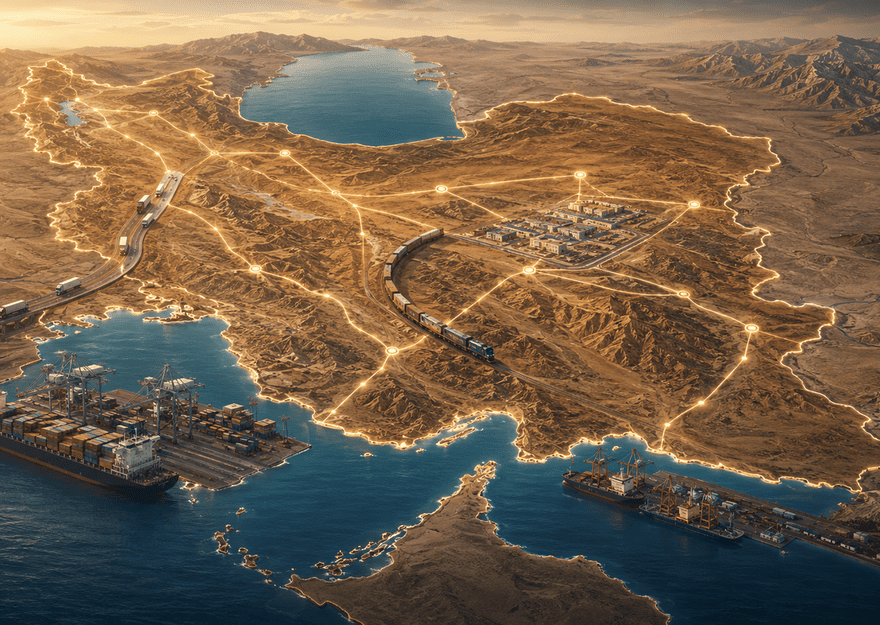
کریدورهای حملونقل ایران: مسیرهای مهم، پیوندهای مفقود و کسبوکارهای پشت آنها
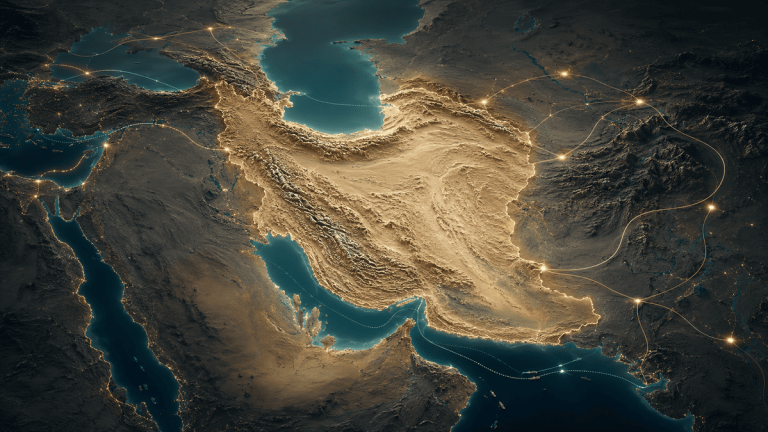
کریدورهای حملونقل اغلب بهصورت خطوط رنگی نمایش داده میشوند که بنادر، مرزها و پایتختها را به هم متصل میکنند. در این نقشهها، ایران تقریباً در بهترین موقعیت ممکن قرار دارد: خلیج فارس و اقیانوس هند در جنوب، دریای خزر در شمال، ترکیه و عراق در غرب، و آسیای مرکزی، افغانستان و پاکستان در شرق.
جغرافیا به ایران گزینههای مسیر میدهد؛ اما بهطور خودکار لجستیک قابلاعتماد ایجاد نمیکند.
یک کریدور مفید از نظر تجاری، به چیزی بیش از جاده یا راهآهن نیاز دارد. خدمات منظم، پایانههای مرزی فعال، رویههای گمرکی قابلپیشبینی، حجم کافی بار در هر دو جهت، تأمین مالی، بیمه، انبارداری، اسناد سازگار و اپراتورهایی که توان هماهنگکردن کل سفر را داشته باشند، ضروری است. مسیر کوتاهی که سه توقف مرزی نامطمئن ایجاد میکند، ممکن است از یک سرویس دریایی طولانیتر با برنامهای قابلاعتماد جذابیت کمتری داشته باشد.
بنابراین اقتصاد کریدوری ایران را باید شبکهای با سطوح مختلف بلوغ دانست. برخی مسیرها هماکنون حجم قابلتوجهی از بار داخلی و بینالمللی را جابهجا میکنند. برخی دیگر فعالاند، اما تنها از طریق چندین مرحله انتقال. چند مسیر همچنان به پیوندهای ریلی ناتمام وابستهاند. گروه نهایی نیز عمدتاً در توافقهای دیپلماتیک و برنامههای بلندمدت زیرساختی وجود دارد.
نمای کلی نظام کریدوری
| نظام کریدوری | گرههای اصلی ایران | وضعیت تجاری فعلی | محدودیت اصلی |
|---|---|---|---|
| کریدور بینالمللی حملونقل شمال–جنوب | Bandar Abbas, Tehran, Qazvin, Rasht, Astara, Anzali, Amirabad, Sarakhs | مهمترین چارچوب کریدوری بینالمللی ایران | پیوندهای مفقود، انتقال بار و کیفیت ناپایدار خدمات |
| چابهار و مسیر دریایی شرقی | چابهار، ایرانشهر، زاهدان، مشهد، سرخس | از نظر راهبردی مهم، اما هنوز یک کریدور ریلی کامل نیست | راهآهن ناتمام چابهار–زاهدان و ادغام محدود با پسکرانه |
| کریدور آسیای مرکزی–ایران | سرخس، اینچهبرون، مشهد، بندرعباس | فعال و از نظر تجاری مرتبط با آسیای مرکزی محصور در خشکی | تغییر عرض خطآهن، عملیات مرزی و تناوب خدمات |
| کریدور شرق–غرب به سوی ترکیه | رازی، بازرگان، تبریز، تهران، آپرین | مسیر جادهای تثبیتشده با اتصال ریلی فعال اما محدود | تأخیرهای مرزی، کشتی ریلی دریاچه وان و عملیات قطاری پراکنده |
| کریدورهای ایران–عراق | شلمچه، مهران، خسروی، پرویزخان، باشماق | تجارت جادهای دوجانبه قوی؛ ادغام ریلی همچنان محدود | راهآهن مرزی ناتمام و محدودیتهای لجستیکی داخلی عراق |
اینها نظامهایی کاملاً مجزا نیستند. محمولهای که از بندرعباس وارد میشود، ممکن است از طریق ایران به شمال و روسیه، شمالشرق و ترکمنستان، غرب و ترکیه یا تهران در داخل کشور حرکت کند و سپس از آنجا توزیع شود. بخشی از مزیت ایران در توانایی تغییر مسیر بار میان این جهتهاست.
ضعف ایران این است که بسیاری از این تغییر مسیرها همچنان از نظر عملیاتی پرهزینهاند.
کریدور بینالمللی حملونقل شمال–جنوب یک مسیر واحد نیست
کریدور بینالمللی حملونقل شمال–جنوب، یا INSTC، معمولاً بهعنوان شبکهای چندوجهی توصیف میشود که هند و خلیج فارس را از طریق ایران به روسیه و شمال اروپا متصل میکند. توافق اولیه در سال ۲۰۰۰ میان هند، ایران و روسیه امضا شد. این کریدور بهمرور به چند خانواده مسیر تبدیل شد، نه یک خط پیوسته واحد. citeturn232916search3turn232916search34
برای ایران، INSTC سه شاخه اصلی دارد.
۱. شاخه غربی از طریق رشت و آستارا
مسیر غربی از بنادر جنوبی ایران آغاز میشود، از مرکز کشور عبور میکند و پس از رسیدن به قزوین و رشت، به سوی آستارا، جمهوری آذربایجان و روسیه ادامه مییابد.
این همان نسخهای است که در ارائههای کریدوری بیشتر نمایش داده میشود، زیرا در نهایت میتواند یک مسیر ریلی عمدتاً پیوسته میان خلیج فارس و روسیه ایجاد کند. این مسیر همچنین مناطق اقتصادی مهم ایران را به هم متصل میکند: بنادر هرمزگان، کمربند صنعتی مرکز کشور، منطقه تهران–قزوین و اقتصاد خزری گیلان.
مشکل اصلی، نبود خط ریلی میان رشت و آستاراست.
ایران و روسیه در سال ۲۰۲۳ برای احداث خطی به طول تقریبی ۱۶۲ کیلومتر توافقی بیندولتی امضا کردند. طراحی، آمادهسازی زمین و مذاکرات پروژه در سالهای ۲۰۲۵ و ۲۰۲۶ پیشرفت کرد، اما این پیوند هنوز به راهآهنی کامل و فعال تبدیل نشده بود. بار همچنان میتواند از این مسیر استفاده کند، اما بخش مفقود بهجای سفر ریلی یکپارچه، به حمل جادهای یا جابهجایی اضافی نیاز دارد.
این وضعیت به معنای غیرقابلاستفادهبودن INSTC غربی نیست؛ بلکه اقتصاد آن را تغییر میدهد.
هر انتقال، هزینه پایانه، ریسک جابهجایی و عدمقطعیت زمانی ایجاد میکند. کالاهای فلهای ممکن است این وضعیت را بهتر از محمولههای کانتینری زمانحساس تحمل کنند. صاحبان بار بزرگ نیز ممکن است بتوانند ترتیبات اختصاصیای مذاکره کنند که صادرکنندگان کوچکتر به آن دسترسی ندارند. تا زمان تکمیل پیوند مفقود و پشتیبانی آن با خدمات قطاری منظم، این کریدور در عمل چندوجهی خواهد ماند، نه فقط در نام.
بااینحال، این مسیر از پایه تقاضای روبهرشدی برخوردار است. توافق تجارت آزاد کامل میان ایران و اتحادیه اقتصادی اوراسیا در مه ۲۰۲۵ اجرایی شد و برای بیشتر گروههای کالایی رفتار ترجیحی ایجاد کرد. این توافق مشکلات پرداخت، بیمه یا لجستیک را حل نمیکند، اما منطق تجاری حملونقل مطمئنتر به سمت شمال را تقویت میکند.
۲. شاخه خزری
مسیر خزری با انتقال بار از طریق بنادر ایرانی مانند انزلی یا امیرآباد و سپس عبور از دریای خزر به سوی بنادر روسیه، راهآهن مفقود رشت–آستارا را دور میزند.
مزیت اصلی آن این است که بدون انتظار برای یک پیوند ریلی پیوسته در غرب میتواند فعالیت کند. ایران هماکنون از مناطق جنوبی و مرکزی به سواحل خزر اتصال ریلی و جادهای دارد. بار میتواند به کشتی منتقل شود و از راه دریا به سمت شمال ادامه پیدا کند.
ضعف این مسیر، خودِ مرحله انتقال است.
خزر صرفاً ادامهای درونسرزمینی برای کشتیرانی اقیانوسی نیست. دسترسی به شناور، عمق بندر، وضعیت آبوهوا، هماهنگی گمرکی و تناوب حرکت کشتیها همگی بر مسیر اثر میگذارند. ممکن است یک کانتینر مسیر خود را در ایران بهسرعت طی کند، اما برای شناور مناسب منتظر بماند. در مقابل، سرویس هماهنگ با ظرفیت رزروشده میتواند این مسیر را برای جریانهای کالایی خاص رقابتی کند.
بنابراین شاخه خزری زمانی بیشترین کاربرد را دارد که بهعنوان یک محصول لجستیکی برنامهریزیشده اداره شود، نه زمانی که هر محموله ناچار باشد زنجیرهای از اپراتورهای ریلی، متصدیان پایانه، کارگزاران گمرکی و ظرفیت کشتیرانی را جداگانه سرهم کند.
۳. شاخه شرقی از طریق سرخس و اینچهبرون
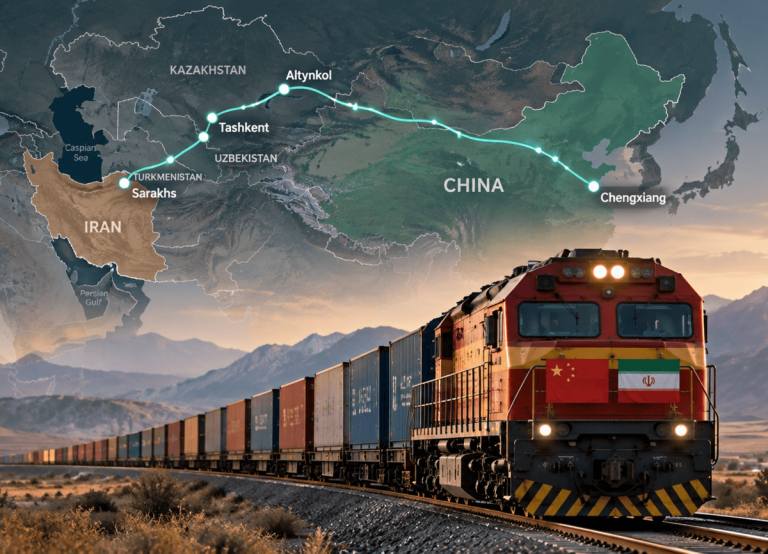
مسیر شرقی INSTC میان ایران و آسیای مرکزی از طریق ترکمنستان حرکت میکند و از دروازههایی مانند سرخس و اینچهبرون استفاده میکند. از آنجا، بار میتواند به سوی قزاقستان و روسیه ادامه یابد.
این شاخه در مقایسه با رشت–آستارا توجه کمتری دریافت میکند، اما یک مزیت مهم دارد: هماکنون اتصال ریلی دارد.
سرخس راهآهن با عرض استاندارد ایران را به شبکه راهآهن عریضتر مورد استفاده در بخش بزرگی از شبکه کشورهای شوروی سابق متصل میکند. این امر در مرز موجب شکست عرض خط میشود. واگنها یا بار باید منتقل شوند، بوژیها تعویض شوند یا از تأسیسات مناسب دوعرضه استفاده شود. این فرایند از نظر فنی قابل مدیریت است، اما زمان و وابستگی به پایانه را به سفر اضافه میکند.
اینچهبرون اتصال دوم را از طریق ترکمنستان و قزاقستان فراهم میکند. وجود بیش از یک دروازه شمالی ارزشمند است، زیرا در صورت ازدحام یا دشوارشدن شرایط سیاسی در یک مرز، گزینههای جایگزین در اختیار اپراتورها قرار میدهد.
اهمیت تجاری شاخه شرقی ممکن است بیش از آن چیزی باشد که جایگاه عمومی آن نشان میدهد. کشورهای آسیای مرکزی به دسترسی قابلاعتماد به بنادر جنوبی نیاز دارند و ایران نیز از مسیرهایی بهره میبرد که کاملاً به قفقاز وابسته نباشند. بااینحال، بازار را نه صرفاً وجود ریل، بلکه تناوب خدمات، زمان عبور مرزی و توازن بار شکل خواهد داد.
راهآهنی که قطارهای نمایشی گاهبهگاه در آن حرکت میکنند، هنوز یک کریدور بالغ نیست. صاحبان بار به ظرفیت قابل رزرو، برنامههای منتشرشده و اطمینان از در دسترسبودن همان سرویس شش ماه بعد نیاز دارند.
بندرعباس همچنان دروازه اصلی جنوب است
بحث درباره کریدورهای جدید گاهی بندرعباس را مسیری قدیمی جلوه میدهد که باید با چابهار جایگزین شود. این مقایسه درست نیست.
بندرعباس—و بهویژه مجتمع بندر شهید رجایی همچنان دروازه اصلی دریایی و کانتینری ایران است. این بندر از طریق زیرساختهای تثبیتشده جادهای و ریلی به مراکز صنعتی و جمعیتی کشور متصل است. بندر شهید رجایی هماکنون به واردات، صادرات، محمولههای معدنی، پتروشیمی، توزیع داخلی و ترانزیت بینالمللی خدمات میدهد. به همین دلیل، نقشه فعلی زیرساخت Hormuz، شهید رجایی را در مرکز نظام تجارت دریایی، ریلی و لجستیک داخلی ایران قرار میدهد.
برای بیشتر صاحبان بار، تراکم ترافیک موجود اهمیت دارد. بندر بزرگتر معمولاً گزینههای بیشتری برای خدمات کشتیرانی، فورواردرها، کارگزاران گمرکی، انبارها، کامیونداران و تجهیزات فراهم میکند. این خدمات پیرامونی میتوانند بر جذابیت جغرافیایی یک مسیر جدید غلبه کنند.
بندرعباس همچنین برای نظام شمال–جنوب موقعیت مناسبی دارد، زیرا بار میتواند از مرکز ایران به تهران، منطقه خزر یا آسیای مرکزی منتقل شود. آپرین، در نزدیکی تهران، بهعنوان یک گره لجستیکی و گمرکی داخلی متصل به کریدور ریلی بندرعباس توسعه یافته است. نقش بالقوه آن انتقال بخشی از فرایند گمرک، تجمیع و جابهجایی کانتینر از ساحل به نزدیکی مرکز اصلی مصرف و صنعت ایران است.
محدودیت راهبردی بندر نیز روشن است: کشتیهایی که وارد بندرعباس میشوند یا از آن خارج میشوند باید از تنگه هرمز عبور کنند. در تجارت عادی، این موضوع نقص عملیاتی محسوب نمیشود. بااینحال، در دورههای افزایش ریسک نظامی، بیمه، دسترسی به شناور و قابلیت اتکای برنامه زمانی ممکن است پیش از غیرقابلعبورشدن فیزیکی آبراهه، تضعیف شوند.
در اینجا چابهار اهمیت پیدا میکند؛ نه بهعنوان جایگزینی فوری، بلکه بهعنوان یک نظام دریایی دوم.
چابهار: بندری راهبردی که همچنان در انتظار کریدور داخلی خود است
جذابیت چابهار از موقعیت آن در ساحل دریای عمان و خارج از تنگه هرمز آغاز میشود. این بندر دسترسی مستقیم به اقیانوس هند و مسیری بالقوه به سوی شرق ایران، افغانستان و آسیای مرکزی فراهم میکند.
هند و ایران در مه ۲۰۲۴ قراردادی بلندمدت برای بهرهبرداری و تجهیز پایانه شهید بهشتی امضا کردند. مقامهای رسمی هند همچنان این بندر را پروژهای مهم برای اتصال افغانستان و آسیای مرکزی محصور در خشکی توصیف کردهاند.
بااینحال، ارزش یک بندر به آنچه پس از خروج بار از اسکله رخ میدهد بستگی دارد.
چابهار از طریق جاده به داخل کشور متصل است، اما راهآهن موردنظر آن به زاهدان تا سال ۲۰۲۶ ناتمام مانده بود. این خط برای اتصال بندر به شبکه ریلی ملی ایران و تقویت مسیرها به سوی مشهد، سرخس، افغانستان و آسیای مرکزی طراحی شده است. مطالب UNESCAP در سال ۲۰۲۵ همچنان تکمیل راهآهن چابهار–زاهدان را یک الزام در حال اجرا، نه اتصالی تحققیافته، تلقی میکرد.
این واقعیت اصلی درباره چابهار است: گره دریایی از کریدور پشت سر خود جلوتر رفته است.
Until the railway is complete and regular services are established, much of the port’s inland cargo must depend on trucking. Road freight is flexible and may work for bilateral or higher-value traffic. It is less suited to transforming Chabahar into a large-scale mineral, grain or container gateway for distant markets without strong consolidation and return cargo.
چابهار همچنین به بیش از یک جغرافیای بالقوه خدمت میکند:
- شمال، به سوی زاهدان، مشهد و آسیای مرکزی
- شمالشرق، به سوی افغانستان
- غرب، به سوی کرمان و شبکه مرکزی ایران
- شرق، به سوی پاکستان؛ جایی که محدودیتهای عرض خطآهن و سیاسی همچنان قابلتوجهاند
این مسیرها را نباید یک پروژه واحد دانست. هرکدام به ترتیبات مرزی، منابع بار و زیرساخت متفاوتی نیاز دارند.
معتبرترین راهبرد کوتاهمدت این نیست که منتظر بمانیم چابهار به رقیب بزرگترین بنادر منطقه تبدیل شود. راهبرد مناسب، ایجاد خطوط بار متمرکز پیرامون محصولات و بازارهایی است که برای موقعیت چابهار ارزش قائلاند: تجارت افغانستان، مواد معدنی شرق ایران، صادرات کشاورزی، محمولههای بشردوستانه، محمولههای پروژهای و دسترسی آسیای مرکزی به اقیانوس هند.
کریدورهای آسیای مرکزی از هماکنون تجاریاند، نه صرفاً راهبردی
رابطه ایران با آسیای مرکزی اغلب از دریچه دیپلماسی دیده میشود، اما منطق لجستیکی آن روشن است. قزاقستان، ازبکستان، ترکمنستان، تاجیکستان و قرقیزستان یا محصور در خشکیاند یا با چندین مرز از بنادر اقیانوسی جدا شدهاند. ایران دسترسی به خلیج فارس و در نهایت چابهار را فراهم میکند.
The two most important rail gateways are Sarakhs in Razavi Khorasan and Incheh Borun in Golestan. Hormuz already maps both as corridor infrastructure: Sarakhs as a rail-border and logistics hub, and Incheh Borun as a combined rail and road border crossing.
فرصت اقتصادی پیرامون این دروازهها فقط به عبور قطارها از آنها محدود نمیشود.
مرزی که در آن عرض خطآهن تغییر میکند، برای خدمات زیر تقاضا ایجاد میکند:
- انتقال بار کانتینری و فلهای
- تأسیسات تعویض بوژی
- انبارداری و ذخیرهسازی موقت
- بازرسی، توزین و خدمات گمرکی
- نگهداری واگن و کانتینر
- تجمیع بار
- زیرساخت زنجیره سرد
- رهگیری دیجیتال محموله
- پشتیبانی بیمه و اسناد
این خدمات حتی زمانی میتوانند ارزش ایجاد کنند که ایران مبدأ یا مقصد نهایی بار نباشد.
چالش اصلی تجاری، ثبات است. زمانی که زمان ترانزیت از یک محموله تا محموله دیگر بهشدت تغییر میکند، فروش کریدور دشوار میشود. رویههای مرزی، تخصیص واگن و اسناد گمرکی ممکن است از میانگین سرعت قطار اهمیت بیشتری داشته باشند.
For exporters of fruit, vegetables, dairy products or other temperature-sensitive goods, a one-day uncertainty at the border can be more costly than several hundred kilometres of additional distance. Investment in refrigeration and storage is therefore useful only when paired with predictable clearance and onward transport.
مسیر شرق–غرب به ترکیه تثبیتشده اما پراکنده است
ارتباط غربی ایران با ترکیه یکی از قدیمیترین مسیرهای تجارت بینالمللی کشور است. حمل جادهای عمدتاً از دروازههایی مانند بازرگان استفاده میکند، درحالیکه ترافیک ریلی میان رازی در ایران و کاپیکوی در ترکیه عبور میکند.
کریدور جادهای تهران و تبریز را به شرق ترکیه و سپس بازارهای اروپا متصل میکند. این مسیر از نظر تجاری تثبیتشده است، از صنعت بزرگ حملونقل جادهای پشتیبانی میکند و هم برای تجارت دوجانبه و هم ترانزیت مسافتطولانی مناسب است.
راهآهن پیچیدهتر است.
اتصال ریلی ایران–ترکیه در بخش ترکیه از سامانه کشتی ریلی دریاچه وان استفاده میکند. قطارهای باری تفکیک میشوند، روی کشتیهای ریلی قرار میگیرند و پس از عبور از دریاچه دوباره مونتاژ میشوند. این مسیر بخشی از شبکه راهآهن سراسری آسیا است، اما کشتی همچنان مرحلهای اضافی برای جابهجایی و محدودیتی برای ظرفیت و برنامهریزی ایجاد میکند. UNECE در سال ۲۰۲۴ نیز این گذرگاه را بخشی از مسیر ریلی فعلی ایران–ترکیه معرفی کرد.
این موضوع توضیح میدهد چرا باید اعلامیههای مربوط به قطارهای چین–ایران–ترکیه یا اسلامآباد–تهران–استانبول را با دقت تفسیر کرد. خدمات آزمایشی امکان فنی را ثابت میکنند، اما بهتنهایی یک کریدور پرتکرار و سودآور ایجاد نمیکنند.
مسیر شرق–غرب باید با کشتیرانی دریایی و مسیرهای جایگزین اوراسیایی از طریق قزاقستان، دریای خزر، قفقاز و ترکیه رقابت کند. ایران میتواند در جایی بار جذب کند که ترکیبی معنادار از مسافت، هزینه و دسترسی به بازارهای میانی ارائه دهد. اگر تأخیرهای مرزی مزیت جغرافیایی را از بین ببرند، مسیر با مشکل مواجه خواهد شد.
قویترین استدلال تجاری ممکن است نه قطارهای پیوستهای باشد که از یک سوی آسیا تا سوی دیگر حرکت میکنند، بلکه شبکهای از بخشهای کوتاهتر باشد: بار آسیای مرکزی به ایران، صادرات ایران به ترکیه، محصولات ترکیه به ایران و کانتینرهای ترانزیتی منتخب که از طریق هابهای داخلی تجمیع میشوند.
کریدورهای ایران به عراق عمدتاً دوجانبهاند
Iran has several important road gateways into Iraq, including Shalamcheh, Mehran, Khosravi, Parviz Khan and Bashmaq. These crossings support a large volume of bilateral trade, pilgrim travel, food exports, construction materials and consumer goods.
نباید همه آنها را بخشهایی از یک کریدور بینالمللی واحد دانست.
هر گذرگاه مرزی به بازارهای متفاوتی در عراق خدمت میکند. شلمچه به بصره و جنوب عراق متصل است. مهران دسترسی به بغداد و مرکز عراق را فراهم میکند. پرویزخان و باشماق نیز کردستان ایران و کرمانشاه را به اقلیم کردستان و بازارهای شمال عراق متصل میکنند.
راهآهن موردبحث شلمچه–بصره قرار است دو شبکه ریلی ملی را از طریق بخش مفقود نسبتاً کوتاهی در سمت عراق به هم متصل کند. توافقهایی امضا شده و کارهای مرتبط با ساختوساز پیشرفت کردهاند، اما این راهآهن مرزی در اوایل ۲۰۲۶ هنوز بهعنوان یک پیوند تجاری کامل و فعال در حال بهرهبرداری نبود.
حتی پس از تکمیل، اقتصاد اولیه آن ممکن است بیشتر از جابهجایی دوجانبه مسافر، زیارت و بار ایران–عراق تأثیر بگیرد تا حملونقل باری بدون وقفه به سوی سوریه یا مدیترانه.
ایده کریدور ایران–عراق–سوریه مرتباً در بحثهای ژئوپلیتیک مطرح میشود. اجرای تجاری آن به چیزی بیش از اتصال شلمچه نیاز دارد. ظرفیت ریلی داخلی عراق، اتصالات فراتر از بغداد، زیرساخت سوریه، مدیریت مرزی، امنیت و دسترسی به بنادر فعال مدیترانه، همگی باید بهعنوان یک نظام واحد کار کنند.
این همچنان پیشنهادی بلندمدت است.
کریدورهای پیشنهادی را نباید با کریدورهای فعال اشتباه گرفت
ایران در بحثهای مربوط به چند مسیر گستردهتر نیز مشارکت دارد، از جمله کریدور خلیج فارس–دریای سیاه، پیوندهای عبوری از ارمنستان و گرجستان، خدمات چین–آسیای مرکزی–ایران–ترکیه و مسیرهای اتصال اقیانوس هند به افغانستان و اروپا.
این ابتکارها از نظر راهبردی مرتبطاند. آنها میتوانند سرمایهگذاری زیرساختی را هدایت و چارچوبهایی برای همکاری گمرکی ایجاد کنند. اما توافق با کریدور فعال یکسان نیست.
یک دستهبندی مفید عبارت است از:
کریدورهای عملیاتی هماکنون بار تکرارشونده را جابهجا میکنند و رویههای مرزی تثبیتشده دارند.
کریدورهای ناتمام بار را جابهجا میکنند، اما به جایگزینی جادهای، انتقال در بندر یا بخشهای ریلی مفقود وابستهاند.
کریدورهای نوظهور زیرساخت دارند، اما از تناوب خدمات یا حجم کافی بار برخوردار نیستند.
کریدورهای پیشنهادی همچنان به ساختوساز، توافقهای سیاسی یا بازسازی در کشورهای همسایه وابستهاند.
این تمایز از دو خطای رایج جلوگیری میکند: فرض اینکه هر کریدور امضاشده آماده سرمایهگذاری است، و فرض اینکه یک کریدور ناتمام هیچ ارزش تجاری فعلی ندارد.
INSTC غربی ناتمام است، اما هماکنون بار جابهجا میکند. چشمانداز ریلی چابهار ناتمام است، اما بندر و مسیرهای جادهای قابلاستفادهاند. راهآهن ایران–ترکیه فعال است، هرچند با محدودیت مواجه است. تجارت جادهای ایران–عراق بالغ است، حتی درحالیکه اتصال ریلی آن همچنان در دست ساخت است.
چرا ظرفیت کریدوری ایران همچنان کمتر از حد استفاده میشود؟
توضیح رایج، تحریمهاست. تحریمها مهماند، اما تنها بخشی از مشکل هستند.
زیرساختهای مفقود
راهآهنهای رشت–آستارا و چابهار–زاهدان آشکارترین شکافها هستند. محدودیتهای دیگر شامل بخشهای تکخطه، ظرفیت محدود پایانهها، ناوگان ریلی فرسوده و اتصال ضعیف آخرینمایل میان بنادر، مناطق صنعتی و هابهای لجستیکی است.
بااینحال، ساخت خط مفقود بهطور خودکار کریدور را حل نمیکند.
اصطکاک مرزی و گمرکی
یک محموله بینالمللی ممکن است در هر کشور با سامانههای گمرکی، بازرسیها، تضمینها و اسناد جداگانه مواجه شود. وقتی نهادها اطلاعات را بهصورت الکترونیکی تبادل نمیکنند، همان بار بارها بررسی و ثبت میشود.
اسناد ترانزیت دیجیتال، پردازش پیش از ورود و بازرسیهای مرزی هماهنگ ممکن است در عمل دستاورد بیشتری از کاهش جزئی مسافت مسیر داشته باشند.
تغییر عرض خطآهن
ایران و ترکیه از راهآهن با عرض استاندارد استفاده میکنند، درحالیکه بخش بزرگی از آسیای مرکزی، روسیه و جمهوری آذربایجان از سامانه عریض ۱٬۵۲۰ میلیمتری بهره میبرد. پاکستان نیز استاندارد عریض دیگری دارد.
بنابراین ایران میان چند نظام ریلی قرار گرفته است. انتقال بار میتواند به یک خدمت لجستیکی سودآور تبدیل شود، اما هزینه و زمان نیز اضافه میکند.
نبود خدمات منظم
Cargo owners do not plan supply chains around ceremonial trains. They need weekly or more frequent departures, published rates, equipment availability and a single party responsible for the shipment.
کریدوری که اپراتور قابلاعتماد نداشته باشد، صرفاً مجموعهای از داراییهای زیرساختی است.
محدودیتهای مالی و بیمهای
پرداخت، بیمه حملونقل، تأمین مالی تجارت و بررسی طرفهای تجاری بر این موضوع اثر میگذارند که شرکتهای بینالمللی بتوانند از مسیرهای ایران استفاده کنند یا نه. کریدوری که از نظر فنی باز است، ممکن است برای شرکتهایی که قادر به تسویه هزینه حمل، بیمه بار یا رعایت الزامات انطباق نیستند، از نظر تجاری دستنیافتنی بماند.
بار برگشتی ضعیف
قطار یا کامیونی که خالی برمیگردد، سفر رفت را گرانتر میکند. کریدورهای موفق به تجمیع بار در هر دو جهت نیاز دارند.
بازار داخلی، پایه صنعتی و تقاضای وارداتی ایران میتواند به ایجاد این توازن کمک کند. اما اپراتورها باید بار ترانزیتی را با واردات و صادرات ایران ترکیب کنند، نه اینکه تنها به ترافیک مستقیم میان کشورهای دوردست متکی باشند.
فرصتهای تجاری در کجا قرار دارند؟
جذابترین سرمایهگذاریهای کریدوری همیشه بزرگترین پروژههای ساختوساز نیستند.
پایانههای داخلی و بنادر خشک
تأسیساتی مانند آپرین میتوانند کانتینرها را تجمیع کنند، ترخیص گمرکی ارائه دهند و دروازههای دریایی را به بازار صنعتی و مصرفی تهران متصل کنند. مدلهای مشابه را میتوان پیرامون مشهد، قزوین، تبریز، کرمان و دیگر تقاطعهای ریلی توسعه داد.
لجستیک مرزی
سرخس، اینچهبرون، آستارا و گذرگاههای جادهای غربی به انبار، محل توقف کامیون، جابهجایی کانتینر، تعمیرات، بازرسی و هماهنگی دیجیتال نیاز دارند.
تأخیرهای مرزی هزینه ایجاد میکنند، اما همزمان نشان میدهند مشتریان برای کدام خدمات بهتر حاضر به پرداخت هستند.
سامانههای زنجیره سرد
ایران و کشورهای همسایه حجم قابلتوجهی از محصولات کشاورزی و غذایی را معامله میکنند. انبارهای سرد، کانتینرهای یخچالی، سامانههای پایش و ترخیص سریعتر میتوانند مسیرهای کریدوری را برای باری که در حال حاضر توان تحمل زمان ترانزیت نامطمئن را ندارد، عملیاتی کنند.
سکوهای تجمیع بار
بسیاری از صادرکنندگان ایرانی حجم کافی برای رزرو قطار کامل یا بلوک بزرگ کانتینری ندارند. یک سکوی لجستیکی که بار چند تولیدکننده را ترکیب کند، میتواند تقاضای پراکنده را به خدمات برنامهریزیشده تبدیل کند.
این کار به چیزی بیش از نرمافزار نیاز دارد؛ انبار فیزیکی، اسناد قابلاعتماد، تخصص گمرکی و قرارداد با حملکنندگان نیز ضروری است.
تولید متصل به کریدور
کریدور زمانی بیشترین ارزش را دارد که علاوه بر ترانزیت، از تولید نیز پشتیبانی کند.
فرآوری محصولات کشاورزی در نزدیکی مسیرهای آسیای مرکزی، مونتاژ قطعات وارداتی نزدیک به بازارهای اصلی توزیع یا تولید مواد صادراتی در نزدیکی بنادر، میتواند ارزش پایدارتر از دریافت هزینه صرفاً برای عبور کالا ایجاد کند.
رهگیری و مدیریت اسناد
حملکنندگان بینالمللی به دیدپذیری در سراسر راهآهنها، بنادر، مرزها و شرکتهای حمل جادهای نیاز دارند. سامانههایی که رهگیری محموله، مدیریت اسناد، وضعیت گمرکی و گزارش استثناها را یکپارچه میکنند، میتوانند به یکی از پایدارترین ضعفهای بازار کریدوری پاسخ دهند: عدمقطعیت.
کدام کریدور ایران بیشترین اهمیت را دارد؟
پاسخ واحدی وجود ندارد، زیرا کریدورها به بازارهای متفاوتی خدمت میکنند.
بندرعباس و شبکه شمال–جنوب برای تجارت ملی موجود و اتصال دریایی در مقیاس بزرگ، همچنان مهمترین گزینهاند.
مسیر شرقی از طریق سرخس و اینچهبرون یکی از روشنترین فرصتهای کوتاهمدت را ارائه میکند، زیرا هماکنون ایران را به آسیای مرکزی متصل کرده و با پایانهها، برنامهریزی و کارایی مرزی بهتر قابل ارتقاست.
INSTC غربی از طریق آستارا بیشترین ظرفیت را برای اتصال ریلی پیوسته ایران–روسیه دارد، اما ارزش کامل آن به تکمیل راهآهن رشت–آستارا و بهرهبرداری قابلاعتماد از آن وابسته است.
چابهار بیشترین تمایز راهبردی بلندمدت را دارد، زیرا خارج از تنگه هرمز به اقیانوس دسترسی میدهد و به جغرافیای شرقی خدمت میکند. تبدیلشدن آن به کریدوری بزرگ به راهآهن داخلی، ایجاد بار و ادغام با افغانستان و آسیای مرکزی وابسته است.
کریدور ترکیه برای تجارت دوجانبه و دسترسی به غرب، بهویژه از طریق جاده، همچنان ضروری است، هرچند عملیات ریلی با محدودیتهای ساختاری در جابهجایی مواجه است.
مسیرهای عراق هماکنون از نظر اقتصادی مهماند، اما عمدتاً بهعنوان کریدورهای تجارت دوجانبه. گسترش آنها به یک نظام گستردهتر مدیترانهای همچنان نامطمئن است.
مزیت ایران، اختیار مسیرهاست؛ اگر بتواند این گزینهها را قابلاستفاده کند
ایران نیازی ندارد هر کریدور پیشنهادی را به شریان تجارت جهانی تبدیل کند.
مزیت واقعی ایران، توانایی ارائه چند ترکیب مسیر است: بنادر جنوبی به روسیه از طریق قفقاز یا آسیای مرکزی؛ بار آسیای مرکزی به خلیج فارس؛ تجارت ترکیه به سوی ایران و بازارهای شرقیتر؛ دسترسی افغانستان از طریق چابهار یا خواف؛ و تجارت عراق از طریق چندین مرز غربی.
این اختیار مسیرها زمانی ارزشمند میشود که یک مسیر مختل، شلوغ یا از نظر سیاسی محدود شود.
اما اختیار مسیر روی نقشه کافی نیست. صاحب بار، مسیری را ارزشمند میداند که بتوان آن را رزرو، تأمین مالی، بیمه و رهگیری کرد و محموله را در زمان وعدهدادهشده تحویل داد.
بنابراین مرحله بعدی توسعه کریدورهای ایران کمتر به اعلام خطوط جدید و بیشتر به تبدیل مسیرهای موجود به خدمات یکپارچه بستگی دارد. راهآهنهای مفقود مهماند؛ سامانههای گمرکی، پایانهها، اپراتورها، ترتیبات پرداخت، تجهیزات و انضباط تجاری نیز همینطور.
ایران از هماکنون جغرافیای یک کشور کریدوری را دارد؛ چالش دشوارتر، ساختن قابلیت اتکای چنین کشوری است.