Market Intelligence

Public Projects

Public Projects covers government, municipal, state-linked, and utility-driven investment needs across power, water, transport, healthcare, housing, procurement, and infrastructure services. It matters because many of Iran’s largest addressable opportunities are not pure private-market plays; they depend on public budgets, tenders, regulations, and project execution capacity.

Sub-markets

Use these segments to move from the parent market into more specific investable routes, operating constraints, and demand pockets.

Market Thesis

Iran’s public-project market is strategically important because the country has large infrastructure needs in power, water, transport, urban services, healthcare, and industrial utilities. The opportunity is not only in headline megaprojects; it is often in equipment supply, maintenance, EPC services, efficiency upgrades, rehabilitation of existing assets, municipal systems, and localized infrastructure that solves a real bottleneck. Public Projects should be read through execution discipline: who is the buyer, how is it financed, what is the payment risk, which approvals are needed, and whether the project has operational demand behind it. For investors, this market can produce serious opportunity, but only when procurement, compliance, payment, and local-partner risks are understood before commitment.

Market Structure

The market includes ministries, municipalities, state-owned or state-linked companies, utilities, public hospitals, universities, industrial estate operators, EPC contractors, equipment suppliers, consultants, tender platforms, and provincial authorities. Project types include power generation and grid upgrades, water treatment and transfer, roads and rail, ports, urban transport, public buildings, hospitals, schools, municipal services, and industrial infrastructure. Demand varies by province depending on industrial load, population growth, water stress, logistics pressure, energy demand, and public-budget capacity. Execution is shaped by procurement rules, financing availability, political priority, contractor reliability, technical specifications, and payment timing.

Investor Relevance

Public Projects are relevant for infrastructure investors, EPC contractors, equipment suppliers, technology providers, maintenance companies, and service operators seeking demand that is backed by public need. This market helps screen project pipelines, identify real bottlenecks, evaluate public buyers, assess tender quality, and map where private capability can solve state capacity gaps. It is also useful for understanding which provinces face urgent infrastructure constraints that may generate future procurement or public-private partnership opportunities.

Opportunity Layer

Opportunities linked to Public Projects

Investment briefs connected to this market through buyer demand, entry routes, supply gaps, and execution constraints.

View all

Latest Articles

Research, briefs, and analysis assigned to this market will appear here automatically.

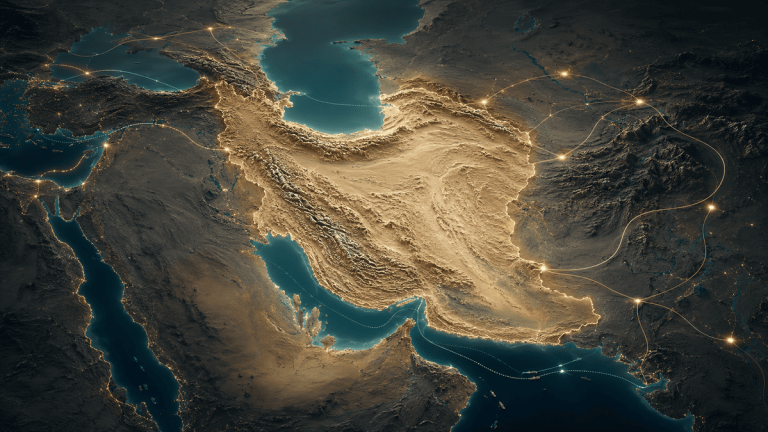
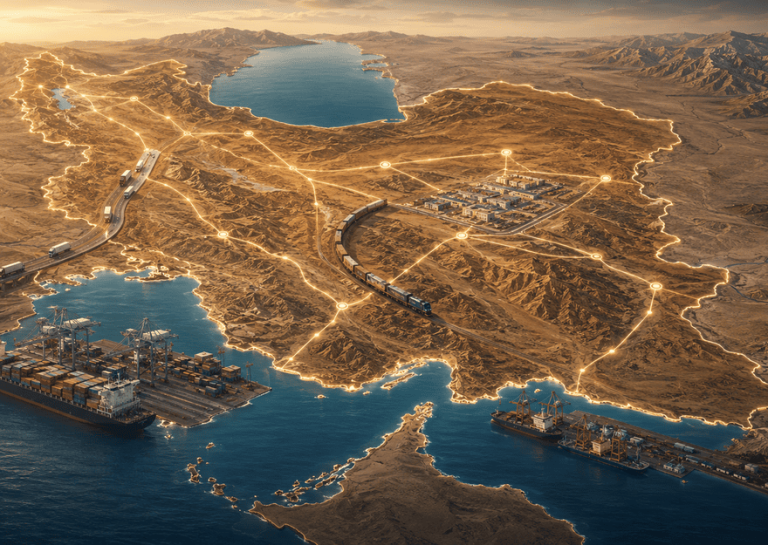
iran geo Iran’s Geographic Position: Why the Map Still Matters

Iran’s Geographic Position: Why the Map Still Matters

Iran’s importance begins with geography. Before oil, before sanctions, before ideology, before modern borders, Iran mattered because of where it stood. It occupied the…

Read article →
Iran Free Zones

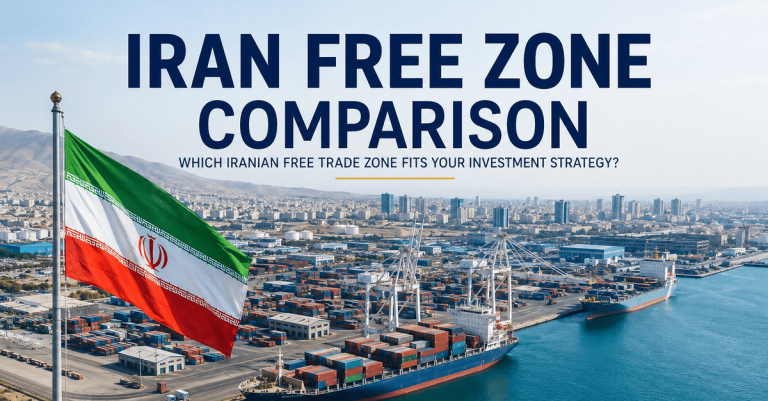
Iran Free Zone Comparison: Which Iranian Free Trade Zone Fits Each Investment Strategy?

Iran’s free zones are no longer a small group of isolated incentive areas. They are becoming a fragmented corridor map: some are functioning trade…

Read article →
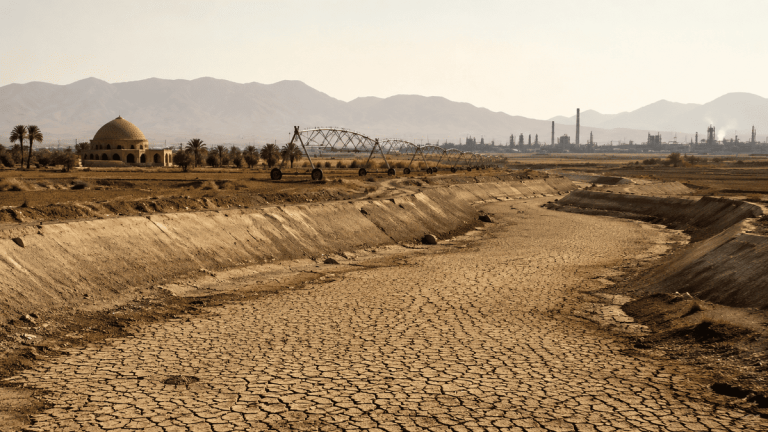
waterr Water Scarcity in Iran Is Not Just a Drought Story

Water Scarcity in Iran Is Not Just a Drought Story

Water scarcity in Iran is often described as a natural problem: low rainfall, hot summers, dry plains, shrinking lakes. That description is true, but…

Read article →
shortage Shortage as Signal: When Does Scarcity Become Investable Demand in Iran?

Shortage as Signal: When Does Scarcity Become Investable Demand in Iran?

Iran has many visible shortages: power, water, logistics, infrastructure, data, technology, finance, and urban services. For an investor, this can look like a map…

Read article →