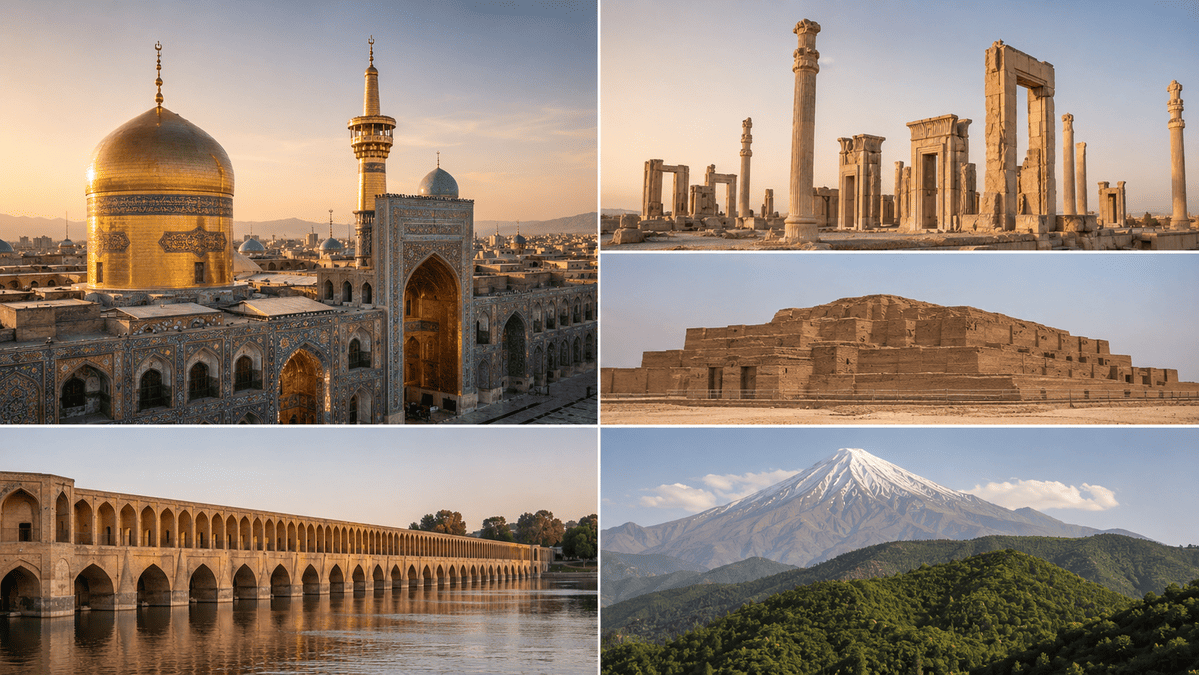
قطاع السياحة في إيران: حيث تلتقي القيمة الحضارية بالسوق غير المكتملة
عادةً ما يُناقَش قطاع السياحة في إيران بلغة المعالم الجاذبة: المواقع الأثرية، والمدن الدينية، والمناظر الجبلية، والمسارات الصحراوية، والجزر، والمأكولات، والشعر، والعمارة، والضيافة. هذه اللغة ليست خاطئة، لكنها غير كافية لتحليل السوق. المعالم الجاذبة تفسر سبب رغبة الناس في زيارة إيران، لكنها لا تفسر أين تُبتكر القيمة الاستثمارية.
السؤال الأكثر فائدة مختلف: لماذا يجب أن تهتم الحالة الاستثمارية في إيران بالسياحة أصلاً؟
والإجابة هي أن السياحة في إيران ليست مجرد قطاع خدمات. بل هي واحدة من أوضح المجالات التي تلتقي فيها الأصول الجوهرية للبلاد بأنظمتها التجارية غير المتطورة. تمتلك إيران قاعدة عميقة من القيمة التاريخية والدينية والجغرافية والطبية والثقافية، لكن معظم هذه القيمة ما زال مغلّفاً بشكل ضعيف، وموثوقاً بدرجة متدنية، وتُقدَّم له الخدمات بأسلوب غير متكافئ، وصعب التعامل التجاري معه.
هذه الفجوة هي جوهر الحالة الاستثمارية.
نقطة البداية: إيران لا تحتاج إلى اختراع قيمتها السياحية
تبدأ العديد من الأسواق السياحية الناشئة بصناعة الاهتمام؛ حيث تبني المنتجات، وتستحدث الفعاليات، وتدعم شركات الطيران، وتروج لمناطق جديدة، وتحاول إقناع المسافرين بأن الوجهة تستحق الزيارة.
أما إيران فتبدأ من موقع مختلف.
إن أصفهان وشيراز ويزد وبرسبوليس ومشهد وقم وغيلان وكيش وقشم وجبال ألبرز ومنطقة زاگروس وشريط الخليج العربي الساحلي ليست محركات طلب اصطناعية. فهي تحمل بالفعل ذاكرة وهوية وحركية واعترافاً. فبعضها يجذب اهتماماً ثقافياً دولياً، وبعضها يجذب العائلات المحلية، وبعضها يخدم الحجاج والزوار، وبعضها يدعم السفر الطبي، وبعضها يقع على مسارات تجارية أو ممرات ساحلية.
هذا أمر مهم لأن رأس المال يمكنه بناء الفنادق في أي مكان تقريباً، لكنه لا يستطيع بسهولة خلق عمق تاريخي، أو ثقل ديني، أو ذاكرة حضارية، أو تنوع جغرافي. فهذه مزايا مرتبطة بالمكان، وهي ما يجعل إيران مختلفة عن أي سوق ناشئة عامة تعتمد فيها السياحة بشكل أساسي على السعر والبنية التحتية والتسويق.
ليست مشكلة إيران غياب القيمة، بل تحويل القيمة غير المكتمل إلى نشاط اقتصادي منظم.
لماذا تُعد السياحة ذات صلة استراتيجية
تتميز السياحة بأهميتها لأنها قادرة على توزيع النشاط الاقتصادي عبر مناطق قد تظل لولا ذلك خارج الخريطة الاستثمارية الرئيسية.
يركز مجمع البتروكيماويات أو المنجم أو المصفاة أو المصنع الصناعي القيمة في أصل معين. أما السياحة فتعمل بطريقة مختلفة؛ إذ تنشر الطلب عبر الإقامة، والأغذية، والنقل، والتجزئة، والرعاية الصحية، والمرشدين المحليين، والإنتاج الثقافي، والعقارات، والمنصات الرقمية، والبنية التحتية للبلديات. ويمكنها أن تجعل المحافظة ذات أهمية تجارية حتى عندما لا تكون مراكز صناعياً رئيسياً.
لهذا السبب تندرج السياحة ضمن إطار استخبارات السوق في إيران. فالأمر لا يتعلق بالمسافرين فحسب، بل بكيفية تحرك الطلب عبر المحافظات والطرق والمطارات والعيادات والعتبات والمواقع التراثية والجزر والمدن الحدودية وأنماط الاستهلاك المحلي.
لذلك، يتعين على أي تحليل سياحي جاد أن يطرح الأسئلة التالية:
أين يوجد الطلب بالفعل؟
أين تضعف طبقة الخدمات؟
أين تحد البنية التحتية من التحويل الاقتصادي؟
أين يمكن بناء الثقة؟
أين يمكن للسوق المحلية المجزأة أن تتحول إلى عمل تجاري مهيكل؟
هذه الأسئلة أكثر فائدة من التساؤل عما إذا كانت إيران تمتلك "إمكانات". فهي تمتلكها بوضوح، ولكن المسألة تكمن في مدى إمكانية تنظيم تلك الإمكانات.
إيران ليست سوقاً سياحية واحدة
الخطأ الاستراتيجي الأول هو التعامل مع السياحة الإيرانية كقطاع واحد.
لمسار التراث منطق خاص. فطهران وأصفهان وشيراز ويزد وكاشان وكرمان والسوس وغيرها الكثير تجذب المسافرين من خلال العمارة والتاريخ والآثار والحرف والحدائق والذاكرة الحضرية. والفرصة التجارية هنا لا تقتصر على زيادة غرف الفنادق، بل تشمل تقديم تفسير ثقافي أفضل، وتصميم مسارات أقوى، وضيافة فريدة (بوتيك)، وتجزئة ثقافية، وتجارب مرتبطة بالترميم، وإرشاداً سياحياً أعلى جودة.
وللسياحة الدينية منطق آخر. فمشهد وقم ليستا وجهتين عابرتين لمعالم السياحة، بل هما نظاما سفر متكرران. فالزيارة والدين تخلقان طلباً متكرراً، وسفراً عائلياً، وحركة مجموعات، واستهلاكاً للغذاء، ونشاطاً للتجزئة، وضغطاً على الإقامة. والفرصة هنا تكمن في الانضباط التشغيلي: فنادق أفضل للفئة المتوسطة، وتنسيق النقل، وإقامة عائلية، وخدمات متعددة اللغات، ولوجستيات إدارة الحشود، وحجز موثوق.
السياحة العلاجية تختلف هي الأخرى. ففي طهران وشيراز ومشهد وأصفهان وتبريز، ليس الأصل الأساسي هو المناظر الطبيعية، بل الكفاءة الطبية، والميزة السعرية، والسمعة التخصصية، والقرب من الأسواق المجاورة. والطبقة المفقودة هي الثقة؛ فالمرضى بحاجة إلى أطباء موثقين، وأسعار شفافة، وترجمة، وإقامة للتعافي، واستقبال في المطارات، ورعاية لاحقة، وحل للنزاعات. وفي هذا القطاع، قد تصبح حزمة الخدمات المحيطة بالعلاج بذات قيمة العلاج نفسه.
وللسياحة الترفيهية المحلية هيكلها الخاص. إذ تتشكل مناطق غيلان ومازندران وأردبيل وكيش وقشم والوجهات الجبلية بفعل سفر العائلات الإيرانية، وذروات العطلات، واستئجار الفيلا، وثقافة الطعام، والوصول عبر الطرق، والسلوك الموسمي. هذه السوق كبيرة ولكنها غير رسمية. والفرصة لا تكمن في فرض نموذج حجز أجنبي بشكل آلي، بل في إضفاء الطابع المهني على السفر المحلي بما يتناسب مع السلوك الإيراني.
وتضيف السوق السياحية الجنوبية طبقة أخرى. إذ تقع هرمزغان وبوشهر وكيش وقشم وهرمز وتشابهار بين الترفيه والموانئ والمناطق الحرة، والتجزئة، والوصول البحري، والمسارات التجارية. والحالة الاستثمارية هنا انتقائية؛ فصفة المنطقة الحرة وحدها لا تخلق قيمة، بل تظهر القيمة حيث تلتقي الحركية والبنية التحتية والهوية المحلية والطلب على الخدمات.
تتطلب كل سوق من هذه الأسواق نموذج عمل مختلفاً. ولهذا السبب ستفشل أي استراتيجية سياحية عامة لإيران. إذ يجب قراءة البلاد محافظةً بمحافظة، وممرّاً بممر، ومجموعة طلب بمجموعة طلب.
المنتج الحقيقي هو البنية التحتية
في مجال السياحة، غالباً ما يعتقد الناس أن المعلم الجاذب هو المنتج. أما في إيران، فالرؤية الأكثر دقة هي أن الرحلة هي المنتج.
قد يولّد مزار ديني، أو جزيرة، أو ساحة تاريخية، أو بلدة صحراوية، أو عيادة طبية الدافع للزيارة. لكن القيمة الاقتصادية تتوقف على كل ما يحيط بها: الوصول إلى المطارات، وجودة الطرق، وموثوقية الفنادق، والنقل المحلي، وشفافية الأسعار، والدعم اللغوي، وخيارات الدفع، والإصحاح البيئي، والاستجابة للطوارئ، والخرائط الرقمية، وقواعد الحجز، وحماية العملاء.
هنا تتضح الفرصة السياحية في إيران بشكل أكبر. فالعديد من الوجهات تتمتع بجاذبية أساسية كافية، وما ينقصها هو البنية التحتية الموثوقة للسوق.
على سبيل المثال، قد تفشل مدينة ذات كفاءة طبية قوية في جذب طلب المرضى الأجانب إذا لم يتمكن المريض من التحقق من العيادة، أو فهم السعر، أو ترتيب الترجمة، أو الثقة بمرفق التعافي، أو إدارة عملية الدفع. وتدفقات محلية كبيرة قد تجتذبها بلدة شمالية لكنها تفقد قيمتها بسبب الازدحام، والإيجارات غير الرسمية، وسوء إدارة النفايات، وضعف معايير الخدمة. وقد يكون لمسار تراثي أهمية عالمية ولكنه يظل ضعيفاً تجارياً إذا ظلت خدمات التفسير والإقامة والنقل مجزأة.
وهذا يعني أنه لا ينبغي للمستثمرين البحث عن "الأماكن الجميلة" فحسب، بل ينبغي لهم البحث عن "الرحلات المتعثرة".
وحيثما تتعثر الرحلة، قد تتوفر مساحة لبناء النشاط التجاري.
التحديات كخرائط للفرص
إن قيود السياحة في إيران حقيقية: العقوبات، وعقبات المدفوعات، والربط الجوي، والمخاطر الجيوسياسية، والتفاوت في جودة الخدمة، والتعقيد التنظيمي، وضعف البيانات، وندرة المياه، والضغوط البيئية، والفجوات اللوجستية.
ولكن في سوق غير مكتملة البناء، لا تُعد القيود تحذيرات فحسب، بل هي إشارات أيضاً.
تشير فجوة الثقة إلى أعمال التوثيق والتحقق. فإذا كان المسافرون والمرضى والحجاج والعائلات المحلية لا يستطيعون بسهولة معرفة أي الموردين موثوق، فإن المنصة أو المشغل الذي يتحقق من العرض يمكنه الاستحواذ على القيمة.
وتشير الفجوة اللوجستية إلى مشغلي المسارات. فإذا كانت الوجهات جاذبة ولكن يصعب التنقل فيها، فإن الشركات التي تنظم النقل والتوقيت والوصول المحلي وخدمات الدعم يمكن أن تصبح حيوية.
وتشير فجوة الضيافة إلى مشغلي الفئة المتوسطة. فإذا كان المعروض الفاخر محدوداً والإقامة غير الرسمية غير متناسقة، فإن الإقامة الموحدة والمدارة جيداً والملائمة للعائلات يمكنها تلبية طلب حقيقي.
وتشير فجوة السياحة العلاجية إلى مدمجي خدمات المرضى. فإذا كانت المستشفيات موجودة ولكن رحلة المريض مجزأة، فإن التنسيق يصبح هو العمل التجاري ذاته.
وتشير فجوة البيانات إلى منتجات استخبارات السوق والمعلومات. فإذا كان المستثمرون والمشغلون والجهات الحكومية يفتقرون إلى بيانات موثوقة على مستوى الوجهات، فإن رسم خرائط الطلب والعرض والبنية التحتية والقيود يصبح ذا قيمة عالية.
هذه هي الطريقة الصحيحة لقراءة السوق السياحية في إيران. فالتحدي ليس منفصلاً عن الفرصة؛ وفي كثير من الحالات، يحدد التحدي الطبقة الدقيقة التي يمكن للاستثمار فيها أن يبتكر القيمة.
أين يُرجَّح أن تظهر القيمة الاستثمارية
من المرجح أن تكون الفرص الأقوى عمليةً وليست مبهرجة.
والضيافة في الفئة المتوسطة هي إحداها. تحتاج إيران إلى إقامة أكثر موثوقية في المدن التي يوجد فيها الطلب بالفعل ولكن جودة الخدمة فيها متفاوتة. ومشهد، وقم، وشيراز، وأصفهان، ويزد، ورشت، وأردبيل، وتبريز، وكرمانشاه، وبندر عباس، وقشم، وكيش، وكرمان، وكاشان، وهمدان، وتشابهار كلها تستحق تحليلاً أعمق. وقد لا يكون النموذج الأفضل هو البناء الفاخر الكبير، بل الترميم، والإدارة التابعة لعلامات تجارية، والشقق الفندقية، وتوحيد معايير بيوت الضيافة، وأنظمة التشغيل الأفضل.
وتنسيق السياحة العلاجية مجال آخر. تعتمد ميزة إيران في هذا القطاع على التكلفة والسمعة والقرب، لكن الطبقة القابلة للاستثمار هي الثقة. ويمكن لمشغل قوي ربط المرضى الأجانب بمزودي الخدمات الموثقين، وإدارة الرحلة، وتقليل حالة عدم اليقين. وهذا مهم بشكل خاص للطلب القادم من العراق وأفغانستان وأذربيجان وعُمان والخليج وآسيا الوسطى والمغتربين الإيرانيين.
خدمات السفر الديني مهمة أيضاً. إذ تمتلك مشهد وقم بالفعل طلباً متكرراً. والفرصة تكمن في تحسين كيفية خدمة هذا الطلب: الإقامة، والنقل، والأغذية، والحزم العائلية، والدعم المتعدد اللغات، والإضافات الطبية، والتجزئة. فالزيارة والحج ليسا قطاعاً متخصصاً صغيراً، بل هما نظام حركية مستدام.
منصات السياحة المحلية هي فرصة رئيسية أخرى. فالعائلات الإيرانية تسافر بالفعل بكثرة، لكن السوق تظل مجزأة عبر الإيجارات غير الرسمية، وصفحات التواصل الاجتماعي المشتتة، والوسطاء المحليين، وممارسات الحجز غير المتناسقة. والمنصة التي يمكنها التحقق من العرض، وإدارة النزاعات، والتعامل مع المدفوعات، وفهم سلوك السفر المحلي يمكنها حل مشكلة حقيقية.
قد تصبح العروض السياحية القائمة على المحافظات ذات قيمة أيضاً. غالباً ما تُقدَّم إيران على أنها مواقع معزولة، لكن النموذج التجاري الأقوى يكمن في المسارات الإقليمية. إذ يمكن تقديم فارس عبر شيراز، وبيرسبوليس، والحدائق، والخدمات الطبية، والذاكرة الثقافية. ويمكن بناء يزد حول العمارة الصحراوية، والخانات، والتراث الزرادشتي، والسفر الهادئ. ويمكن لجيلان أن تربط بين الأطعمة، والغابات، وبلدات قزوين، والإقامات الريفية، والطلب المحلي في عطلة نهاية الأسبوع. بينما يمكن لهرمزجان أن تربط بين الجزر، والموانئ، والثقافة البحرية، والسفر الشتوي، وخدمات المناطق الحرة.
أخيراً، لا يزال قطاع تجزئة المنتجات الثقافية غير متطور. حيث تخلق السياحة طلباً على السجاد، والسيراميك، والمنسوجات، والزعفران، والفستق، والأعمال المعدنية، والمجوهرات، والكتب، والمقتنيات الدينية، والأطعمة المحلية، والسلع المصممة. تمتلك إيران ثقافة المنتج، ولكن ما ينقصها هو التغليف الحديث، وإثبات المنشأ، والتوزيع، وصيغ التجزئة، والسرد القصصي الجاهز للتصدير.
لماذا لا تُعد إيران مجرد رهان سياحي آخر
يبقى السؤال الاستراتيجي: لماذا إيران؟
الإجابة ليست أن إيران لديها مخاطر أقل، بل هي ليست كذلك. الإجابة هي أن قاعدة الأصول السياحية في إيران يصعب تكرارها بشكل استثنائي.
يمكن بناء فندق في أماكن عديدة، وتحديث عيادة في بلدان كثيرة، ونسخ منتجع شاطئي، وتكرار منصة حجز. لكن السبب الأساسي الذي يدفع الناس للسفر ليس دائماً قابلاً للنقل.
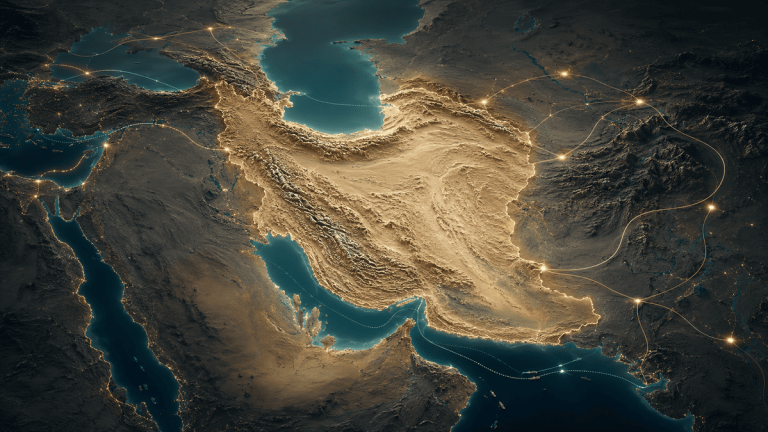
إن بيرسبوليس غير قابلة للنقل، ونقش جهان غير قابلة للنقل، واقتصاد الزيارة الدينية في مشهد غير قابل للنقل، والنسيج الحضري في يزد غير قابل للنقل، وثقافة الطعام والترفيه المحلية في جيلان غير قابلة للنقل. كما أن موقع إيران بين الخليج العربي، وبحر قزوين، وآسيا الوسطى، والقوقاز، والعراق، وأفغانستان، وباكستان، وتركيا غير قابل للنقل.
هذا ما يمنح السياحة الإيرانية أهميتها الاستثمارية الأعمق. فقاعدة السياحة في البلاد لا تعتمد على التسويق فحسب، بل تقوم على المكان ذاته.
هذا لا يضمن العوائد، ولكنه يخلق نوعاً مختلفاً من الفرص. لا يُطلب من المستثمرين التصديق بأنه يمكن ابتكار الطلب، بل يُطلب منهم تقييم ما إذا كان يمكن تنظيم الطلب الحالي بشكل أفضل.
الخلاصة الاستراتيجية
تُعد صناعة السياحة في إيران سوقاً غير مكتمل قائم على أصول أساسية قوية بشكل استثنائي.
هذه هي النقطة الجوهرية.
تمتلك البلاد التاريخ، والزيارة الدينية، والقدرات الطبية، وسلوك السفر المحلي، والقرب الإقليمي، والجزر، والجبال، والصحاري، والغابات، والتقاليد الحرفية، ومدناً ذات ثقل ثقافي حقيقي. تمنح هذه الأصول إيران شكلاً من أشكال القيمة الاستثمارية الذاتية التي تفتقر إليها العديد من الأسواق المنافسة.
لكن الطبقة التجارية المحيطة بهذه الأصول لا تزال غير مكتملة. الثقة ضعيفة، والبيانات محدودة، والضيافة غير متكافئة، والحجز مجزأ، والسياحة الطبية تعاني من ضعف التنسيق، والسفر المحلي غير رسمي. كما أن بعض الوجهات يمكن الوصول إليها مادياً لكنها صعبة تشغيلياً، وتخضع الأنظمة البيئية للضغوط.
وهنا تكمن الفرصة.
إن أفضل الاستثمارات السياحية في إيران لن تكتفي بإضافة المزيد من الطاقة الاستيعابية، بل ستعمل على تنظيم السوق. وستجعل العرض قابلاً للتحقق، والرحلات أسهل، وجودة الخدمة أكثر قابلية للتوقع، والوجهات أكثر وضوحاً، والأصول المحلية أكثر فائدة من الناحية التجارية.
لذلك، لا تستند أطروحة السياحة في إيران على مجرد التفاؤل البسيط، بل تعتمد على فجوة هيكلية: أصول عريقة، وأنظمة حديثة النشأة.
بالنسبة للمستثمرين والمشغلين، هذه الفجوة هي المحور الرئيسي. فالقيمة موجودة بالفعل، لكن السوق لم يتعلم بعد كيفية الاستفادة منها بشكل كامل.